




Kyiv Security Forum Analytics
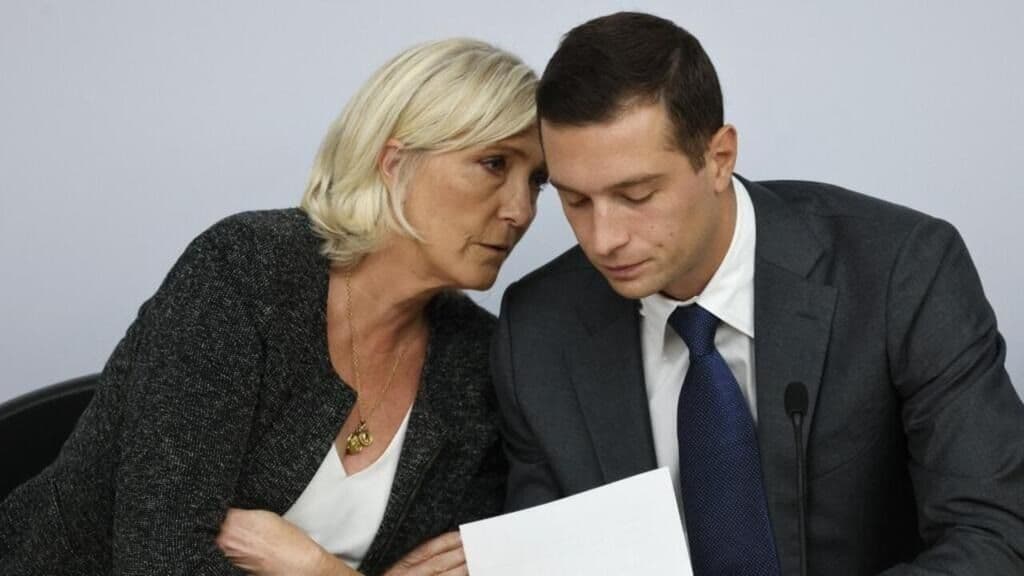
Recently, amid deteriorating relations between European leaders and US President Donald Trump, and Washington’s shift in security priorities from Europe to other parts of the world, there has been increasing discussion within the EU about the need to develop European strategic autonomy in the field of security.
Basically, there's nothing new about this idea. It has gone through various stages: from the creation of the Western European Union (WEU) in 1954 to the establishment of the Common Foreign and Security Policy, and later the European Security and Defence Policy, which led to the dissolution of the WEU in 2011.
For many years, the EU’s practical role in the security domain was limited to conducting civilian and military crisis response operations. After all, no one doubted the effectiveness of the world’s strongest defence bloc – NATO – under whose protection Europe stood.
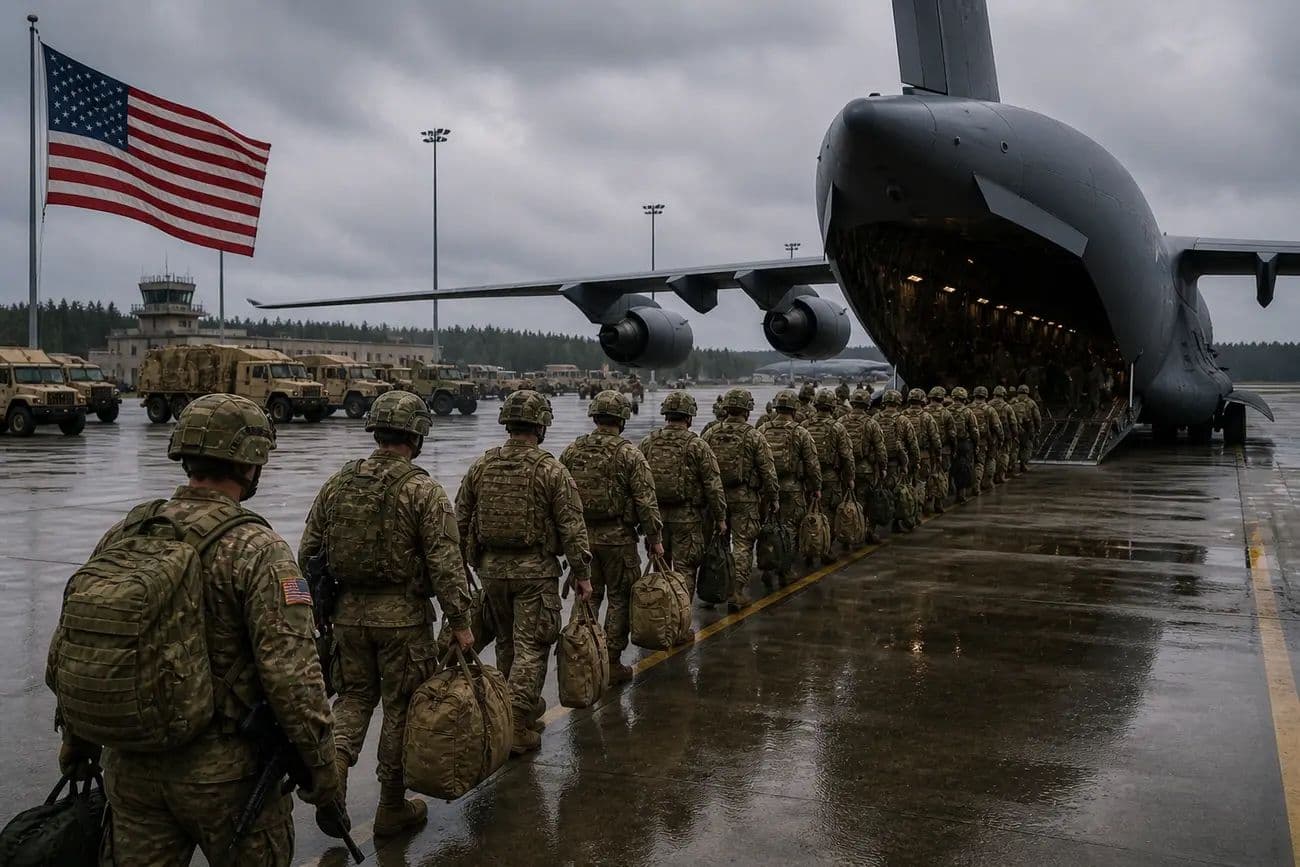
Today, the situation has changed. Whether Washington will return to unconditionally fulfilling its obligations within the Alliance following the next change of administration in the US remains an unanswered question. Whether tens of thousands of American troops will be deployed to repel potential Russian attacks should the situation escalate is not known for certain. The same question applies to the EU’s access, if necessary, to NATO’s joint military assets, which are largely provided by the US.
Consequently, much more is now expected from the concept of strategic security autonomy in the EU – the ability to respond swiftly to an adversary’s military actions, and the ability to defend Europe should the US withdraw. This response must take into account the experience of modern warfare, which the EU’s adversary – Russia – possesses, but which the member states do not. However, Ukraine does possess such experience. The response must involve European allies who are part of NATO but not members of the EU, namely the United Kingdom and Norway.
It is in this context that the words of European Commission President Ursula von der Leyen should be interpreted: that the European Union, in addition to its role as an ‘economic power’, must also become a ‘military power’. Programmes aimed at developing the European defence industry, to which significant funds are being allocated, are geared towards this. These objectives are served by four ‘flagship’ EU defence initiatives: countering drones, protection against missiles and other airborne threats, and strengthening the EU’s eastern borders. This explains the proposals for the creation of a European Defence Union involving Kyiv, London and Oslo, which are being promoted by European Commissioner for Defence and Space Andrius Kubilius.
At the same time, discussions on whether a European Defence Union should be created and what form it should take are still ongoing both in the capitals and in Brussels, including within the European Commission itself. Should this lead to the formation of a new military alliance to replace or complement NATO? Should the EU act as the Alliance’s financial backbone in Europe and only address specific problem areas that have emerged in the context of Russia’s large-scale aggression? Would the creation of a new union lead to confusion in decision-making and the chain of command, which is particularly dangerous during a conflict?
There is no single view on this in Kyiv either. On the one hand, President Zelenskyy has supported the idea of Ukraine’s participation in a European defence union. On the other hand, Ukraine is not ruling out NATO membership as the foundation of its future security.
Time will tell what the outcome of this debate will be. In any case, the realities will dictate to Europeans the need, firstly, to develop their own military capabilities, particularly in areas where they are currently dependent on the US, and secondly, to involve Ukraine in the defence of Europe, as it is currently the strongest military power on the continent, capable of standing up to a common enemy.


 Ukraine, Kyiv, 01001