

Kyiv Security Forum Analytics
On March 16, a meeting of the EU Foreign Affairs Council took place in Brussels, at which Ukraine and the escalation in the Middle East were the key topics.
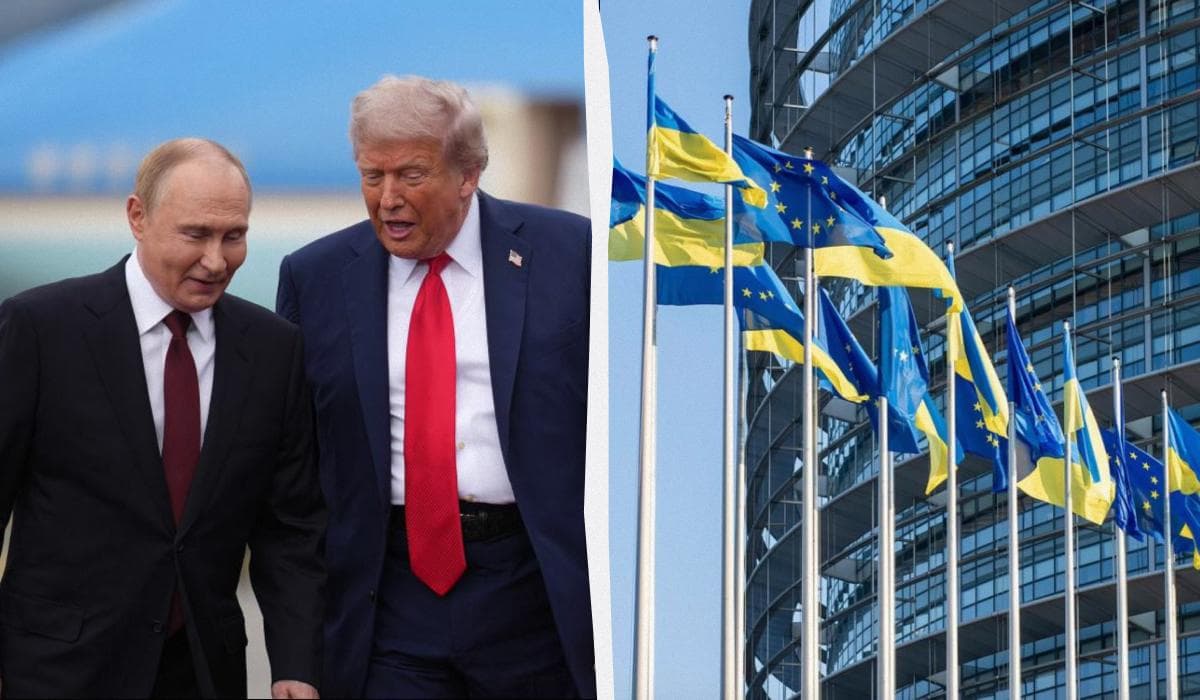
However, the true substance of this discussion was determined not by the agenda, but by the political context. There is growing concern that the Russian-Ukrainian war may take a back seat to the Iranian crisis, which is increasingly dominating Washington’s priorities. Added to this are signals from the US regarding a possible weakening of energy sanctions against Russia, calls for Europe to follow this course, as well as Donald Trump’s sharp rhetoric – ranging from demands to form a coalition to unblock the Strait of Hormuz to direct hints at a review of US commitments within NATO.
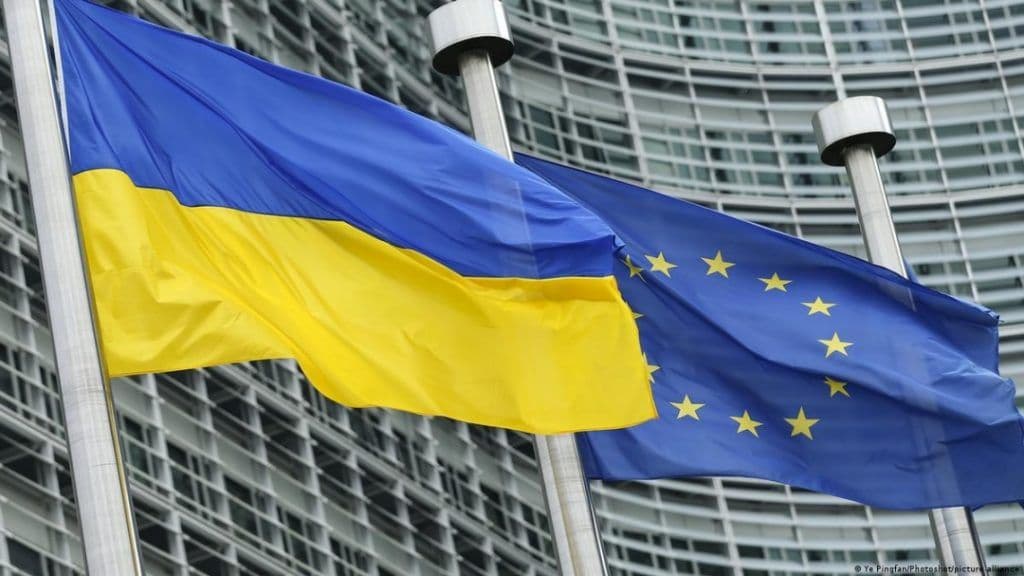
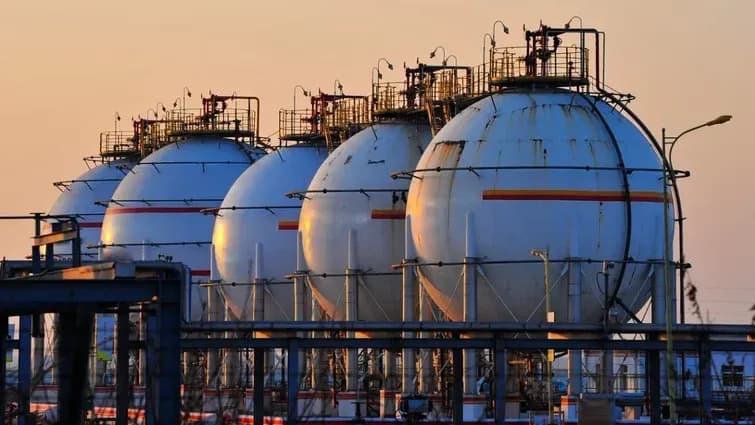
In this context, Europe’s position has been articulated clearly and even demonstratively firmly. Ukraine remains the EU’s top security priority. There will be no ‘shift in focus’. The sanctions regime remains in place, and the strategic goal – a complete end to energy dependence on Russia – remains unchanged. The key message is simply put: if Europe wants an end to the war, Russia must receive fewer resources, not more. In this context, the fight against Russia’s ‘shadow fleet’ will continue to play a special role.
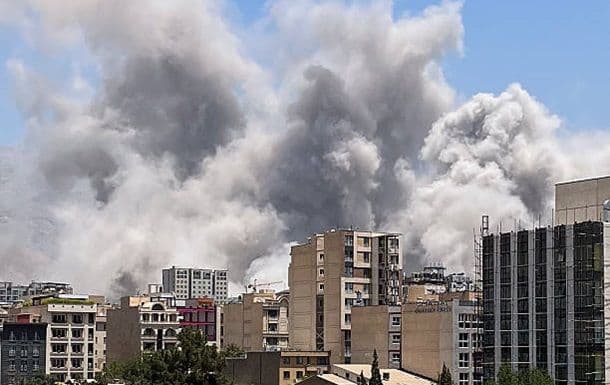
Regarding the Middle East, the EU recognises the risk of a large-scale regional escalation with direct consequences for the global economy – from trade routes to energy and food prices. However, Europe’s response does not involve military intervention, but rather deterrence and diplomacy: a call for a cessation of hostilities, a ceasefire and a return to negotiations.
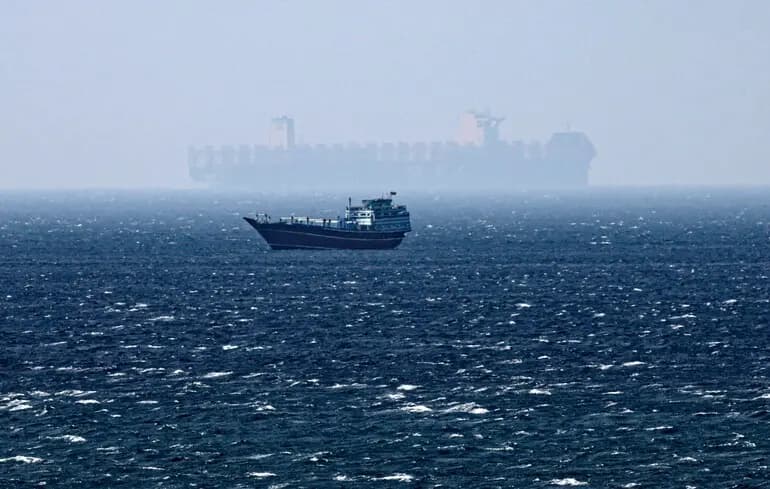
The only practical solution has been to step up the EU’s participation in the ASPIDES maritime defence operation in the Red Sea – as a means of safeguarding freedom of navigation. Crucially, however, Europe has refused to join the US military operation against Iran, particularly in the event of a forced opening of the Strait of Hormuz.
The formula articulated by Kaja Kallas sums up the EU’s position: ‘this is not Europe’s war’. Washington’s military objectives remain unclear, and the risks are uncontrollable, including a potential global economic shock and even the threat of a food crisis.
It is telling that key European states – Germany, the UK, Italy, Spain, Greece and Luxembourg – have publicly distanced themselves from any involvement in military escalation.
In fact, Trump’s calls have been ignored. His pressure, including hints about NATO’s future, has not changed Europe’s position.
Does this mean a crisis for the Alliance? Not yet. Europe has adopted a cautious, wait-and-see strategy: to minimise conflict with Washington, buy time and wait for political changes in the US.
However, if the transatlantic rift deepens, the scenario of a transformation in the security architecture becomes realistic. In the long term, a narrower but more effective defence alliance of like-minded states could emerge – with Ukraine potentially participating fully.
In conclusion, Europe has not only kept the focus on Ukraine, for the first time, but it has drawn such a clear line between its own interests and Washington’s new, more confrontational stance.


 Ukraine, Kyiv, 01001