


Kyiv Security Forum Analytics
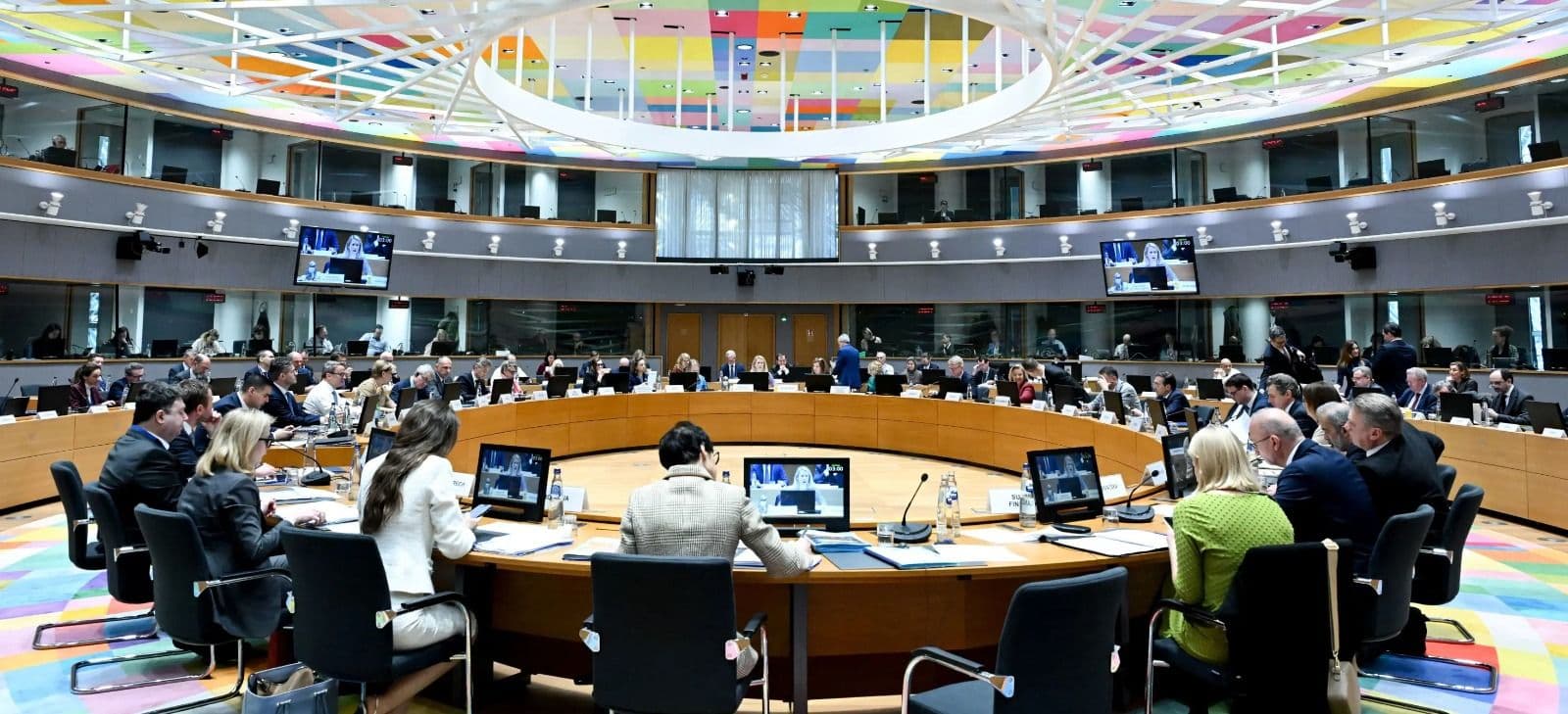
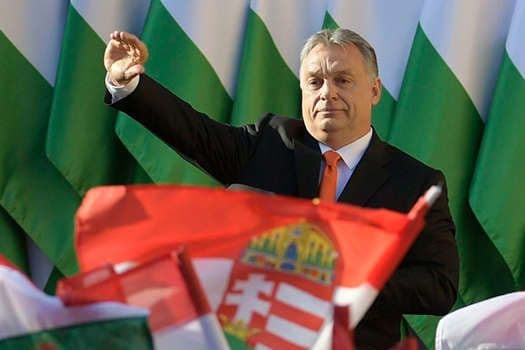
The EU summit on 19–20 March demonstrated that conflict continues within the European Union due to Hungarian Prime Minister Viktor Orbán blocking key issues relating to Ukraine, including a €90 billion reparations loan.
The overwhelming majority of member states support Ukraine. Only the Slovak Prime Minister, Robert Fico, has joined Orbán. Consequently, the European Council’s conclusions on Ukraine were adopted by 25 votes, excluding Hungary and Slovakia.
The EU leadership has taken a firm stance on the loan issue. According to European Commission President Ursula von der Leyen, “the loan remains blocked because one leader is not keeping his word. But … we will get this done one way or another.” And the European Commission is actively seeking ways out of the crisis.
The EU Council Conclusions express the hope that the first tranche of the recovery loan will be disbursed by early April. The efforts of individual states to raise an additional €30 billion on a bilateral basis to cover the Ukrainian budget deficit are also welcomed.
Due to Budapest’s stance, the 20th package of EU sanctions against Russia has not been agreed upon. No clusters of accession negotiations have been opened.
Therefore, EU leaders have confirmed their readiness to hold technical membership negotiations with Ukraine on all clusters, starting with the ‘Fundamentals’. In the future, once the issues with Budapest are resolved, the official opening and closing of completed clusters could take place almost simultaneously. At the same time, the Conclusions make no mention of any options for an accelerated path to membership for Ukraine. This is hardly surprising, given the recent criticism from key member states of the idea of ‘reverse enlargement’.
The European Council also emphasised the importance of supporting Ukraine, putting pressure on Moscow and continuing international efforts to end the war with the EU’s involvement. In this regard, respect for Ukraine’s independence, sovereignty and territorial integrity was reaffirmed, as was the unacceptability of forcibly altering borders and rewarding the aggressor for its illegal actions.
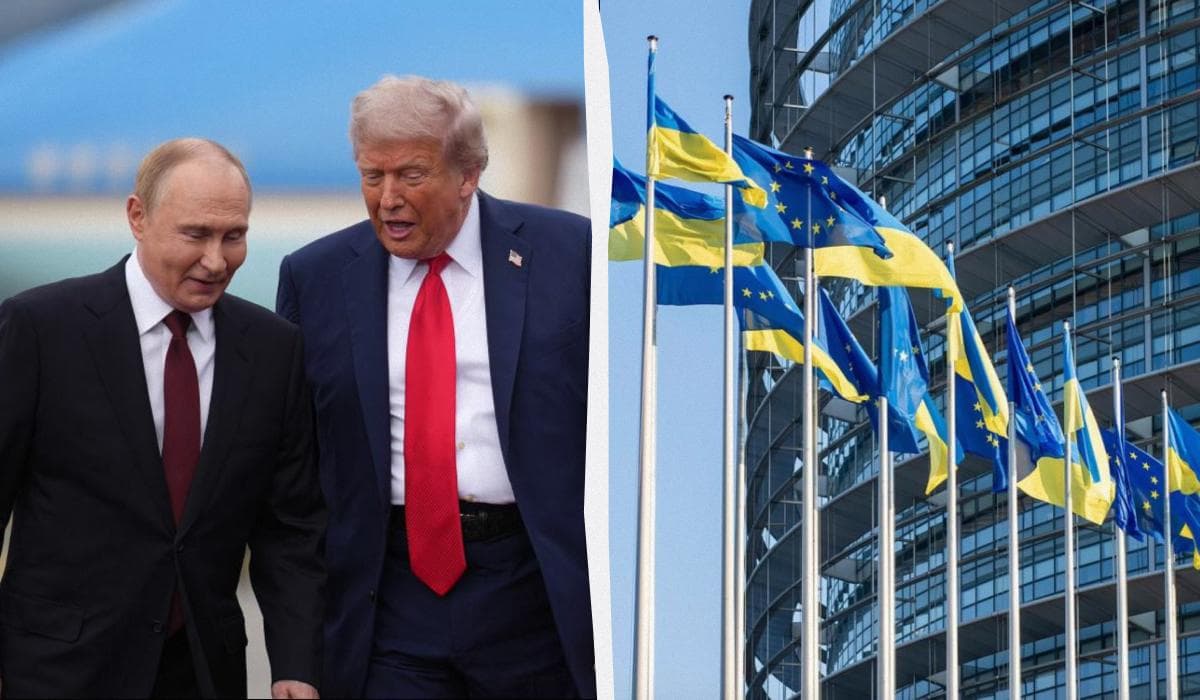
Thus, no new steps forward on Ukraine-related issues were taken in Brussels. At the same time, all previous agreements were reaffirmed, including those concerning sanctions. Today, this can be considered a significant outcome. It demonstrates that the EU is firmly sticking to its own line on the issue of Ukraine, regardless of the international context, in particular the consequences of the war in Iran and Washington’s calls for the easing of sanctions against Russia. The allies hope that after the parliamentary elections in Hungary, it will be easier to reach a compromise with Budapest. And the issues that remain blocked for the time being will be resolved.



 Ukraine, Kyiv, 01001