

The Kyiv Security Forum co-organised an event at the Munich Security Conference for the first time, making energy security its key topic. The discussion ‘Energy Warfare: How to Unplug Tyranny’ brought together Ukrainian and international politicians, diplomats, experts and energy market leaders.
The context of the conversation is crucial: the energy situation in Ukraine is extremely difficult due to continuous Russian attacks. Since the beginning of 2026 alone, there have been 217 attacks on energy facilities, and during Russia's full-scale invasion, more than a thousand strikes have been carried out on Ukraine's energy system.
The massive strikes have led to regular large-scale power outages. The blackouts lasted 10-20 hours during the winter of 2022-2023 and 10-16 hours per day during peak periods in 2024-2025. However, these restrictions do not seem as severe as those experienced in January-February 2026.
Since the beginning of this year, more people have been leaving the country precisely because of the lack of stable electricity, heating and water. Some cities were temporarily left without water supply due to the power outages at pumping stations.
According to the National Bank's forecasts, the destruction of the energy system will significantly slow down economic growth in 2026.
Energy genocide in figures
Chairman of the Kyiv Security Forum, Prime Minister of Ukraine in 2014-2016, Arseniy Yatsenyuk, began the discussion with shocking data from a sociological study commissioned by the KSF: about 40% of Ukrainians have problems with heating in the midst of frosts, and 74% face unstable electricity supply.
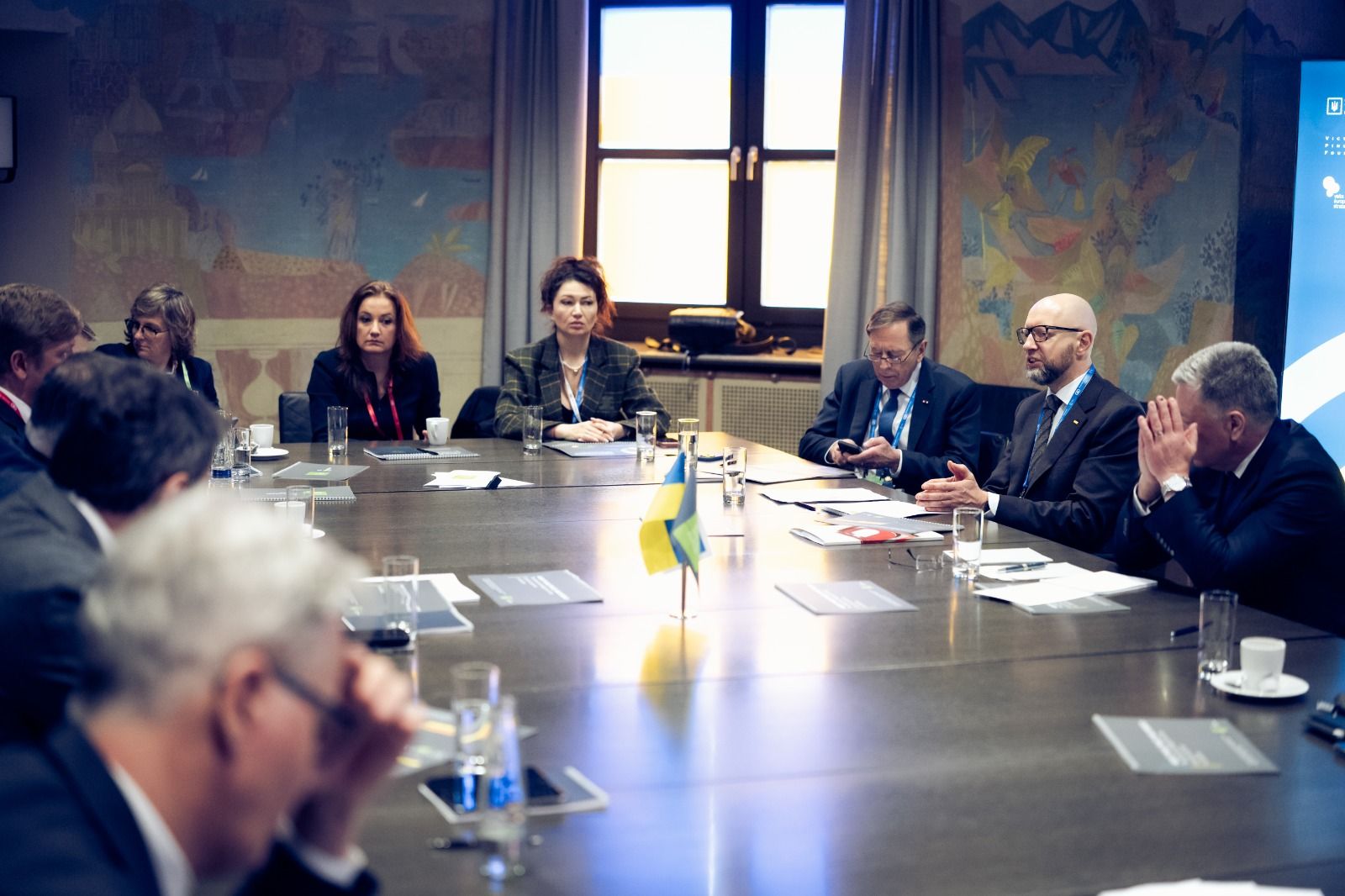
The vast majority of Ukrainians (almost 80%) blame Russian troops for the prolonged disruption of electricity, water and heat supplies. At the same time, almost half of those surveyed blame local authorities (three times more than in December 2022). One in five respondents points to the responsibility of private and municipal service providers, while 17% blame the President and the Ukrainian government. The proportion of those who blame Western countries for insufficient assistance has fallen sharply over three years, from 25% to 4.3%. Ukrainians appreciate the help of their partners, in particular in the form of transformers and generators, which are coming to the aid of Ukrainian energy companies.
‘This is a war of attrition. What energy companies are doing is truly impressive — their work is heroic. But we must prepare for next winter. And only God knows how many more winters like this lie ahead,’ emphasised Arseniy Yatsenyuk.
Survival formula: air defence, finance and equipment
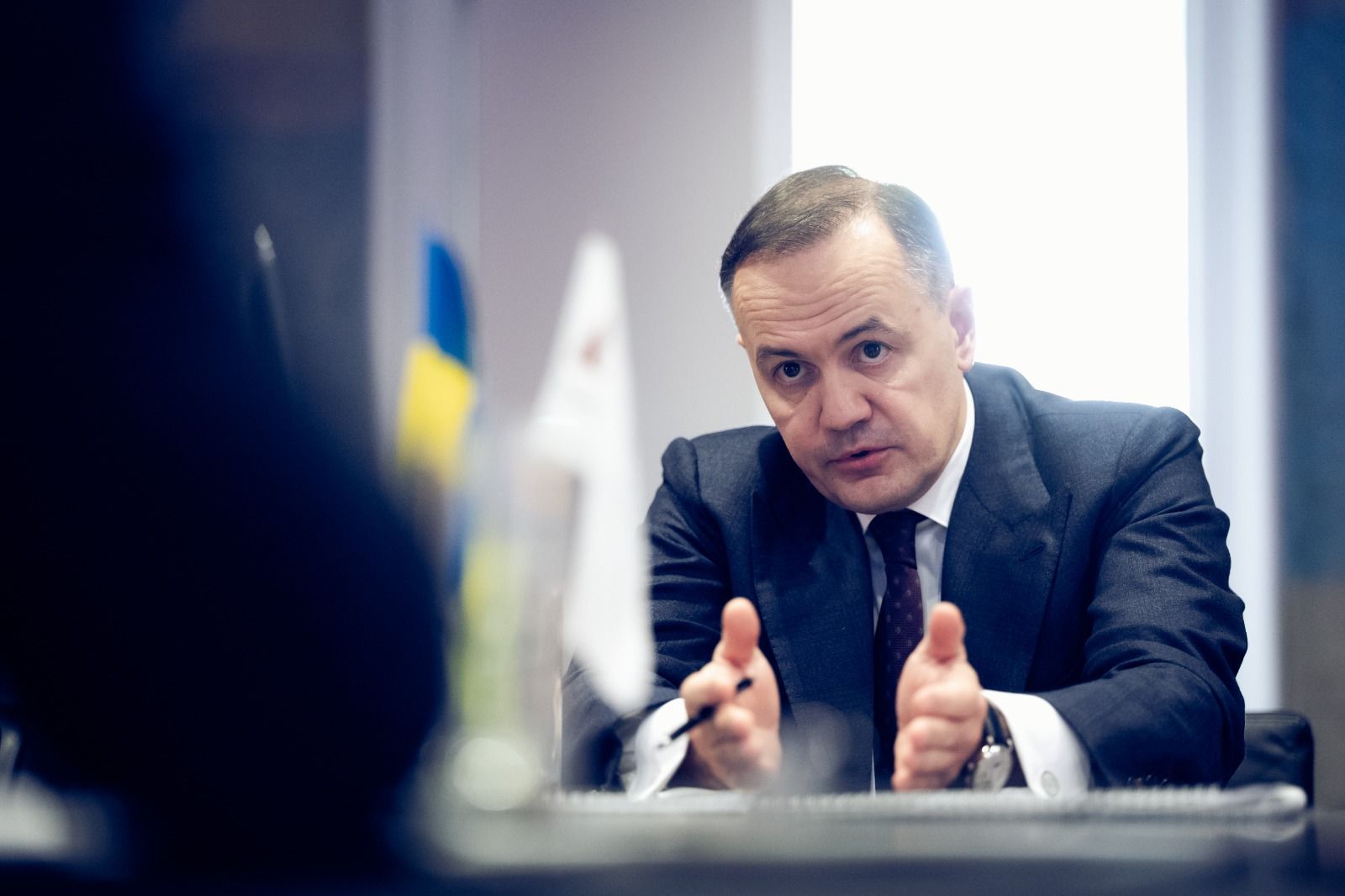
DTEK CEO Maksym Timchenko confirmed the complexity of the situation and explained what is needed to find a systematic solution to the issue.
According to Timchenko, the main priority at the moment is to protect the remaining energy facilities. Ukraine urgently needs interceptor missiles for air defence and powerful portable generators. Although Ukraine has the necessary launchers, there is an acute shortage of interceptor missiles. The CEO of DTEK explained that the existing counter-drone systems effectively cover the facilities, but they are not capable of repelling massive attacks.
Apart from air defence, the energy system needs support to increase electricity production. The supply of large mobile generators that can be connected to powerless apartment buildings will allow critical systems to be restored and buildings to remain functional.
Alongside international aid, DTEK specialists are sourcing used transformers and other equipment in European countries that can be adapted for the company's Ukrainian power plants.
According to Timchenko, these measures are critical for Ukraine to withstand Russia's pressure and survive the energy war.
He revealed that the restoration budget for DTEK's own power generation facilities alone would require €300 million, half of which the company has already covered with its own resources. Another €150 million is needed to restore 4,000 MW of capacity, which will be sufficient to get through the next heating season.
To stabilise the system for the next winter, energy experts have set a cut-off date of May. Equipment orders must be placed by then, as the supply cycle takes at least 10 months.
Oleksiy Ryabchyn, Director of International and Sustainable Development at Naftogaz Group, emphasised that in the context of the rejection of Russian energy resources, every energy facility on the European continent becomes a geopolitical target for Russia: ‘That is why we are here in Munich and at other venues communicating with our partners and holding joint consultations on how to counter the Russian threat. Because now energy companies are not only producers but also defenders of energy.
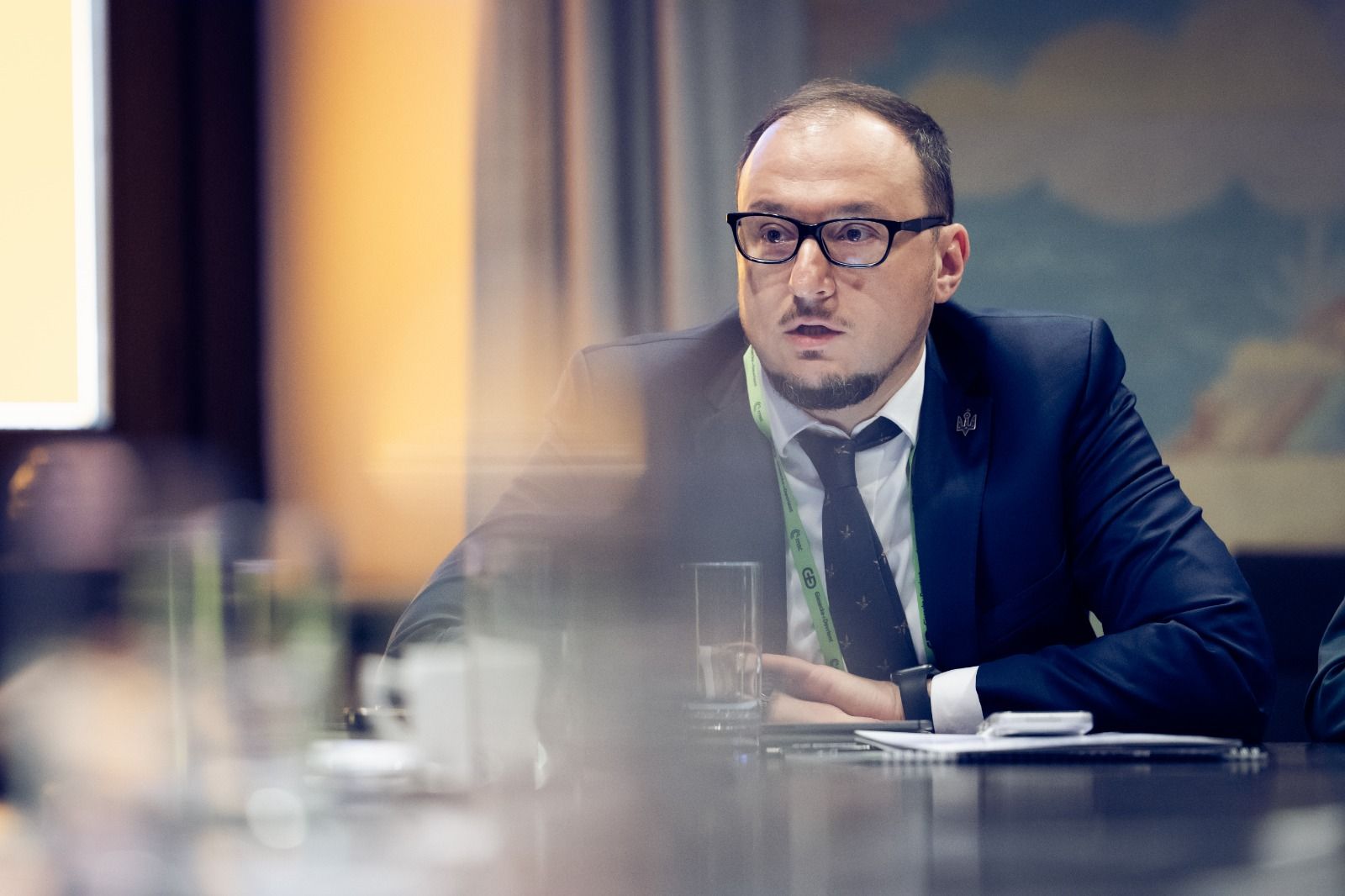
The Naftogaz representative emphasised the importance of international partner's support: "On the one hand, we are mobilising resources — attracting grant funding, preferential loans, international support and financing for the restoration of destroyed equipment. Naftogaz is cooperating with the European Bank for Reconstruction and Development and the European Investment Bank, the governments of the United States, Norway and various EU and G7 countries to raise funds for gas purchases to compensate for volumes that have been destroyed or lost. On the other hand, we are simultaneously pursuing an equally important business track regarding projects and attracting investments in joint projects with our foreign partners.
Ryabchyn noted that Russia has damaged a significant amount of extremely expensive equipment — compressor stations, gas turbines, oil and gas and power infrastructure. The strikes are carried out not only with drones and missiles, but also with artillery. It is impossible to quickly restore the equipment due to the scale of the destruction.
‘It takes at least 12 months to manufacture new equipment, yet it is needed urgently. Furthermore, the involvement of foreign technical specialists, who are required to provide engineering supervision and support for the implementation of such projects, poses a challenge,’ stated Oleksiy Ryabchyn.
According to him, Naftogaz has already begun preparing for the next heating season, which, if Russian shelling continues, may also be difficult, especially given the limited operation of the power system.
The decentralisation strategy: Khrushchevkas with autonomous heating
Former Naftogaz CEO Andriy Kobolev has called for an end to any attempts to revive the Soviet model of large thermal power plants, which are ideal military targets. Instead, he suggests a path to diversification – a transition to small, autonomous generating capacities.
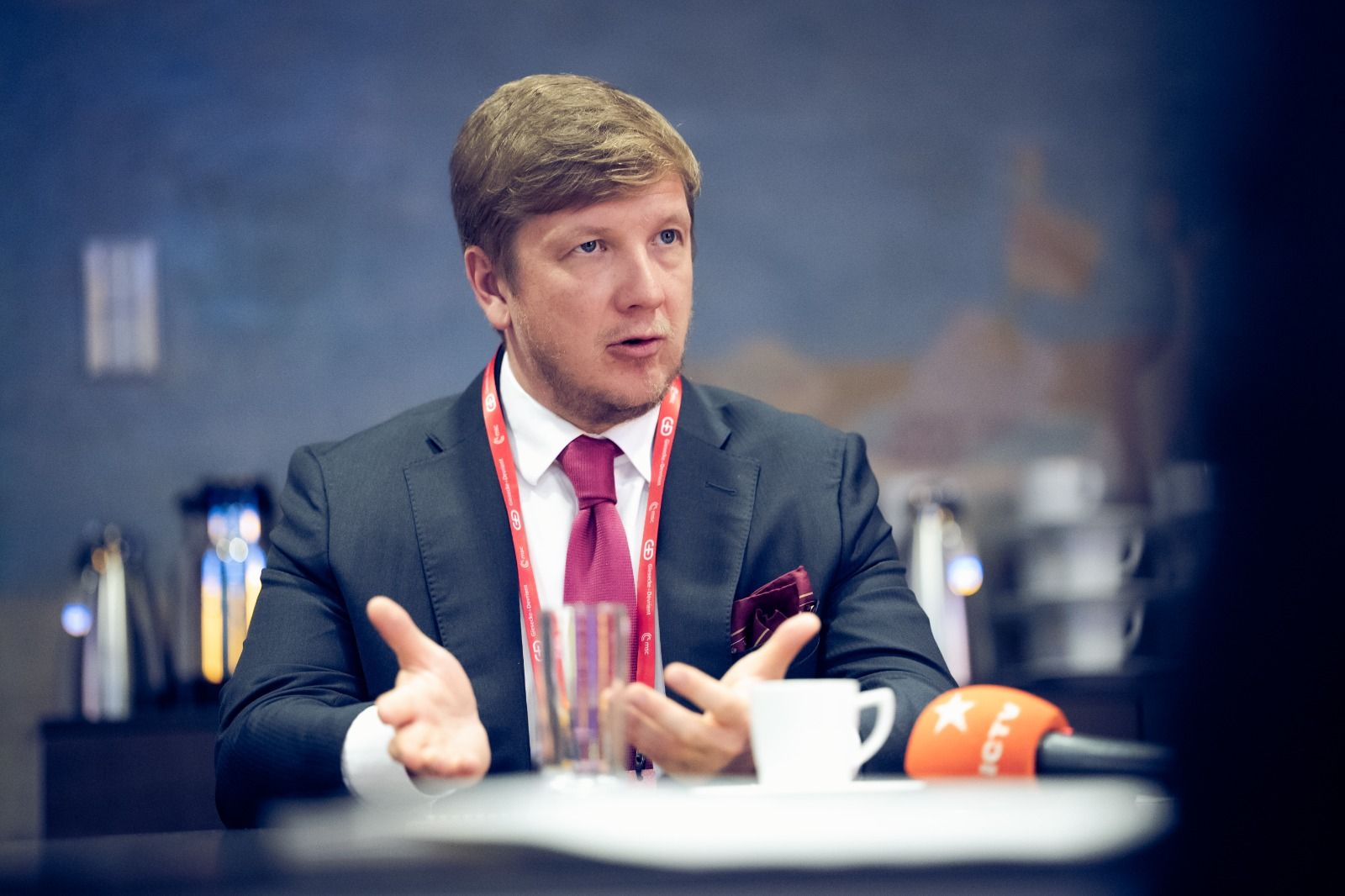
"If we take about 5,000 old Soviet Khrushchevkas (apartment buildings which were designed and constructed in the Soviet Union from the early 1960s onwards, when their namesake, Nikita Khrushchev, was leader of the Soviet Union – ed.) in Kyiv and convert them to autonomous systems, the cost of the project will be about €1.5 billion. This is cheaper than anti-aircraft defence and much more sustainable. If you have your own system, you control it," Kobolev explained.
He added that attracting private investors is possible even during wartime through military risk insurance mechanisms (DFC).
Military response: long-range capabilities as a means of deterrence
The participants agreed that it is impossible to defend oneself forever. Former US Special Representative for Ukraine Kurt Volker believes that Western leaders must provide the means to prevent attacks.
"Air defence is a necessary temporary measure. It is needed when other mechanisms do not work. But we must focus on preventing attacks. This is a combination of long-range weapons that can destroy rocket fuel manufacturing facilities, rocket and drone production plants, and airfields from which they are launched," Volker emphasised.
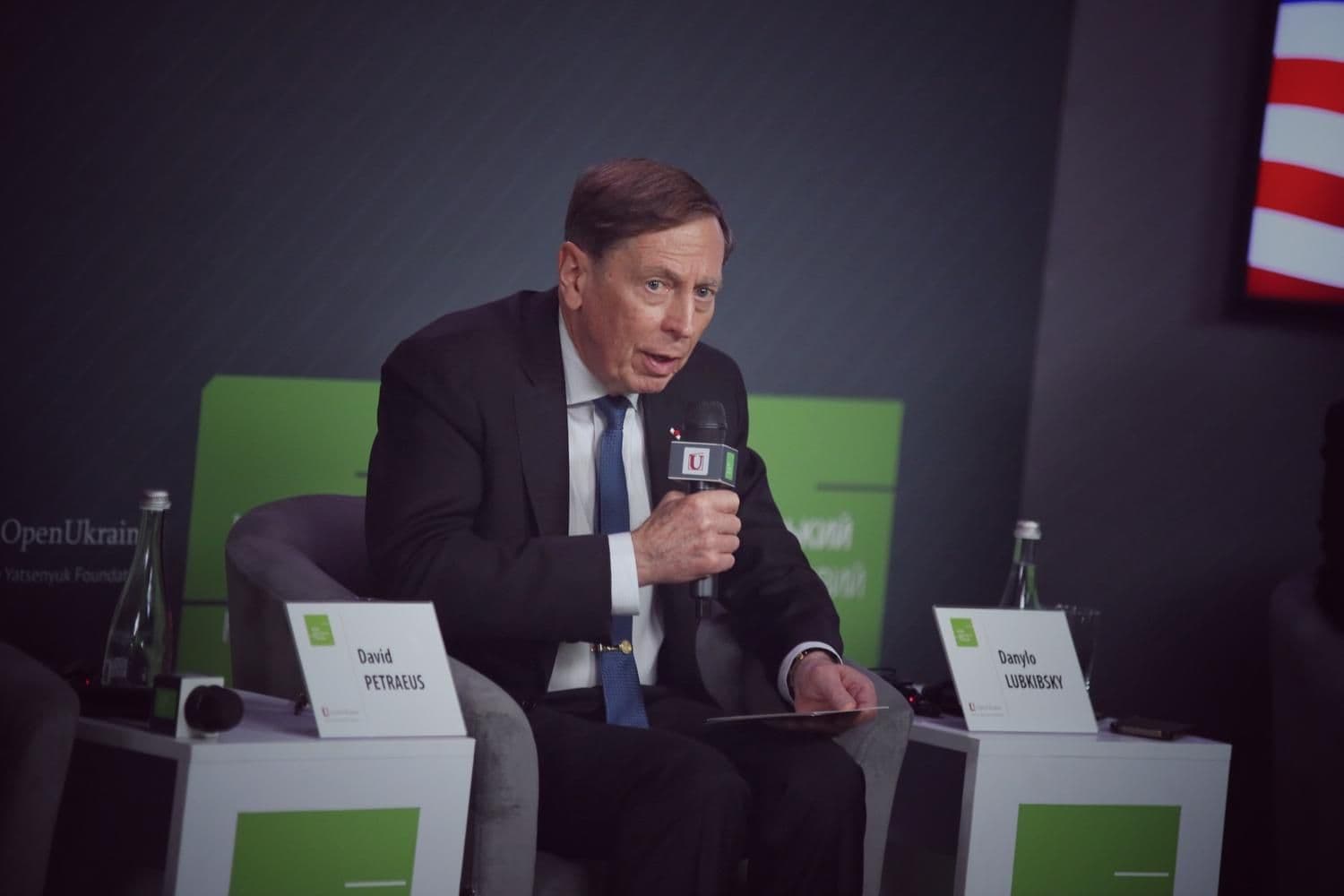
Former CIA Director and Member of the KSF Security Council, General David Petraeus, noted that Ukraine is already demonstrating incredible capabilities in the production of long-range weapons.
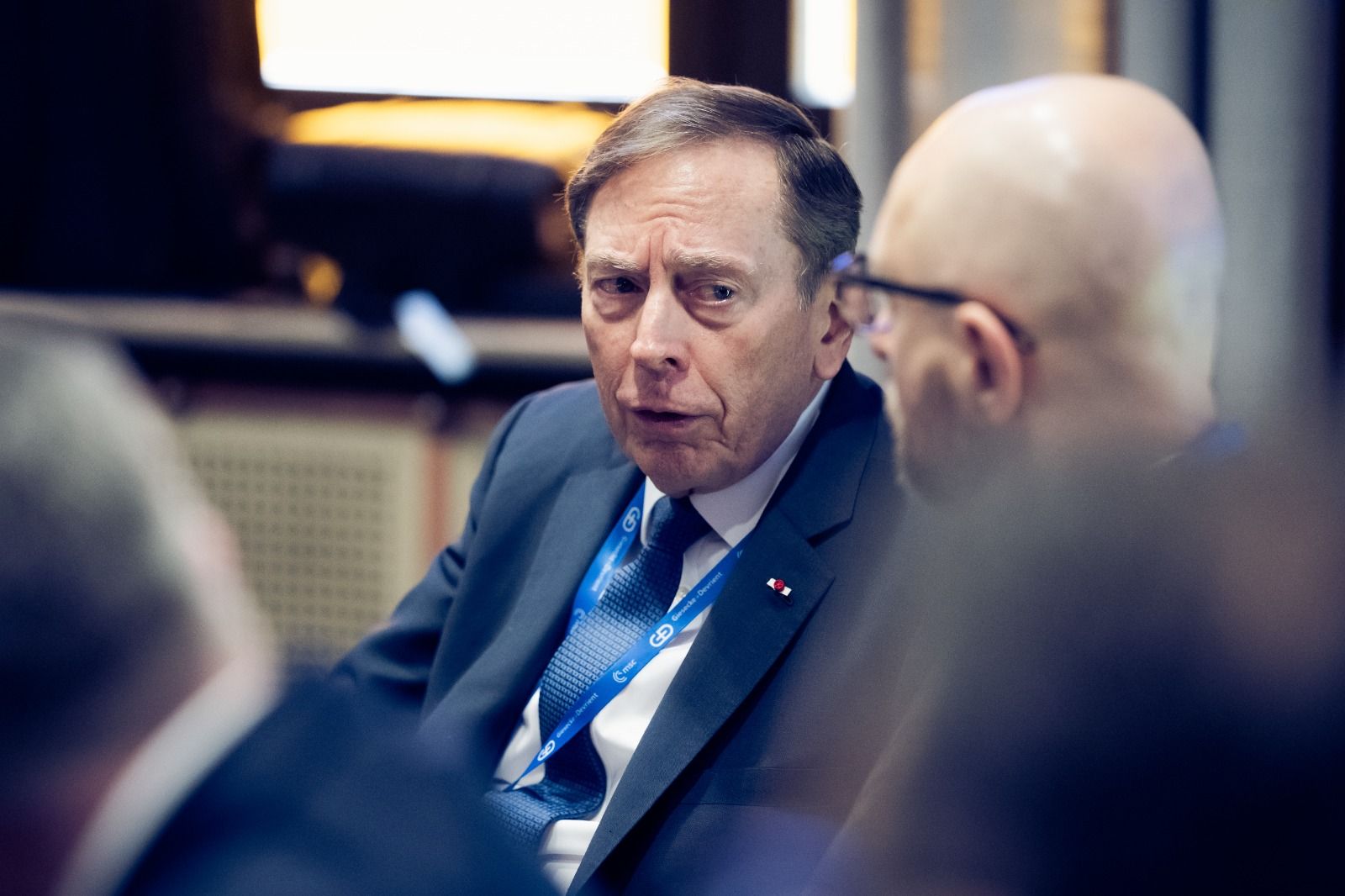
"The Flamingo cruise missile has a range of about 3,000 kilometres. That's a tremendous range. When it goes into serial production, it will be more effective than most of the possible supplies from the West," Petraeus noted.
Economic pressure and sanctions
Volker also stressed that in order to achieve a truce, pressure on Russia, primarily economic pressure, must be significantly stronger.
The head of the Permanent Delegation to the NATO Parliamentary Assembly, Deputy Chairman of the Parliamentary Committee on National Security, Defence and Intelligence, Yegor Cherniev, agreed with him and stressed that the energy war must also be waged in the economic sphere.
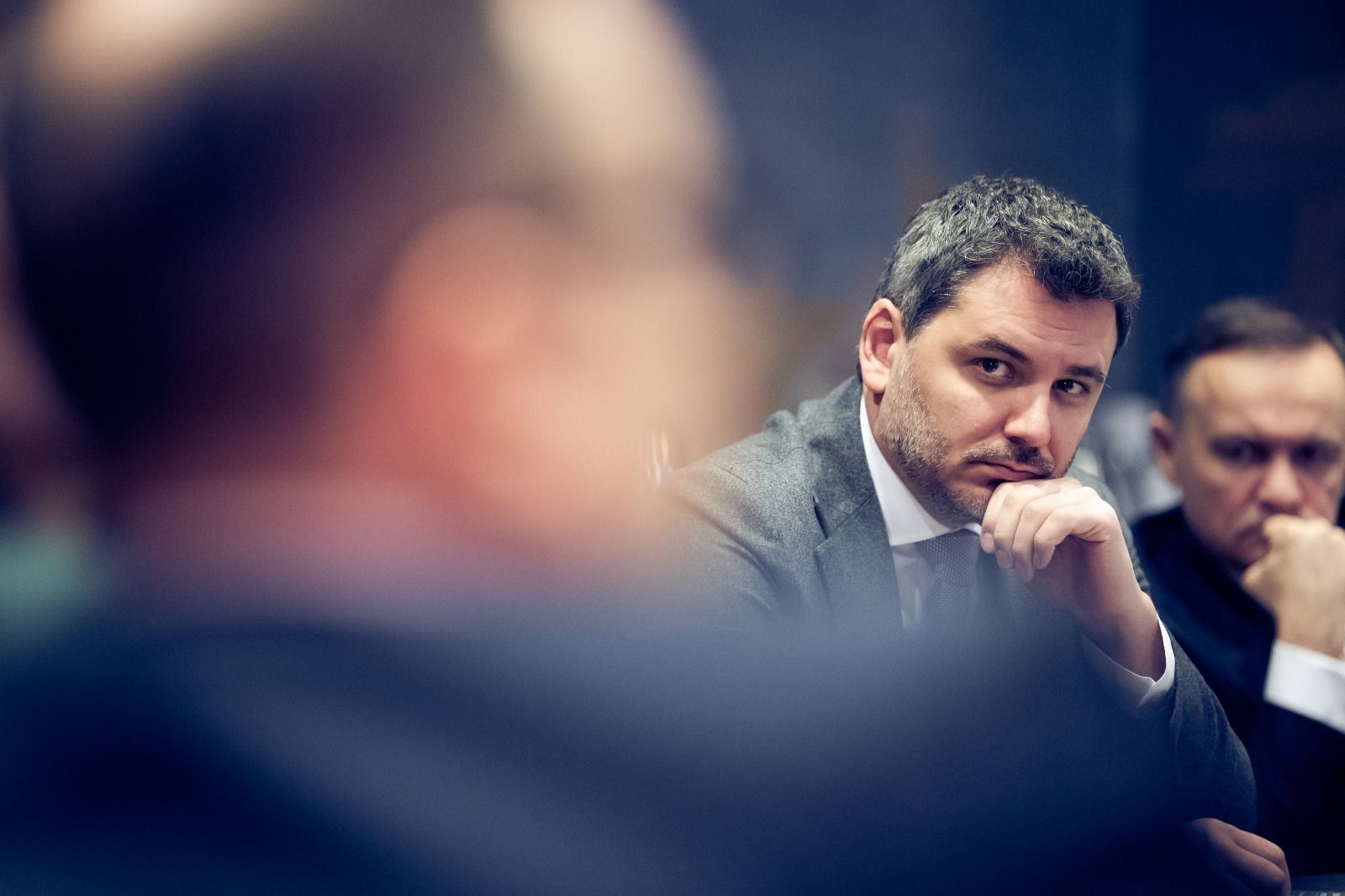
He noted that Russia is constantly changing its tactics and varying the trajectories of ballistic missiles. According to intelligence reports, there are no signs that Russia is willing to stop.
“On the contrary, their production is increasing and is aimed at increasing the volume and diversity of weapons – ballistic and cruise missiles, as well as drones. What we need now is to destroy their military potential. The second key point is to destroy their economy with sanctions. And this applies to their sources of budget revenue. Sanctions since 2022 have helped to reduce the potential of the Russian army. At the same time, the potential for new sanctions in the oil and gas, energy and related sectors remains significant. I am convinced that it is cheaper for our partners to restrict Russia's sources of income than to constantly spend money on air defence systems," emphasised Yegor Cherniev.
Joint Action Plan
Following the roundtable discussion, Arseniy Yatsenyuk initiated the preparation of a joint letter to the European Commission and the governments of EU countries.
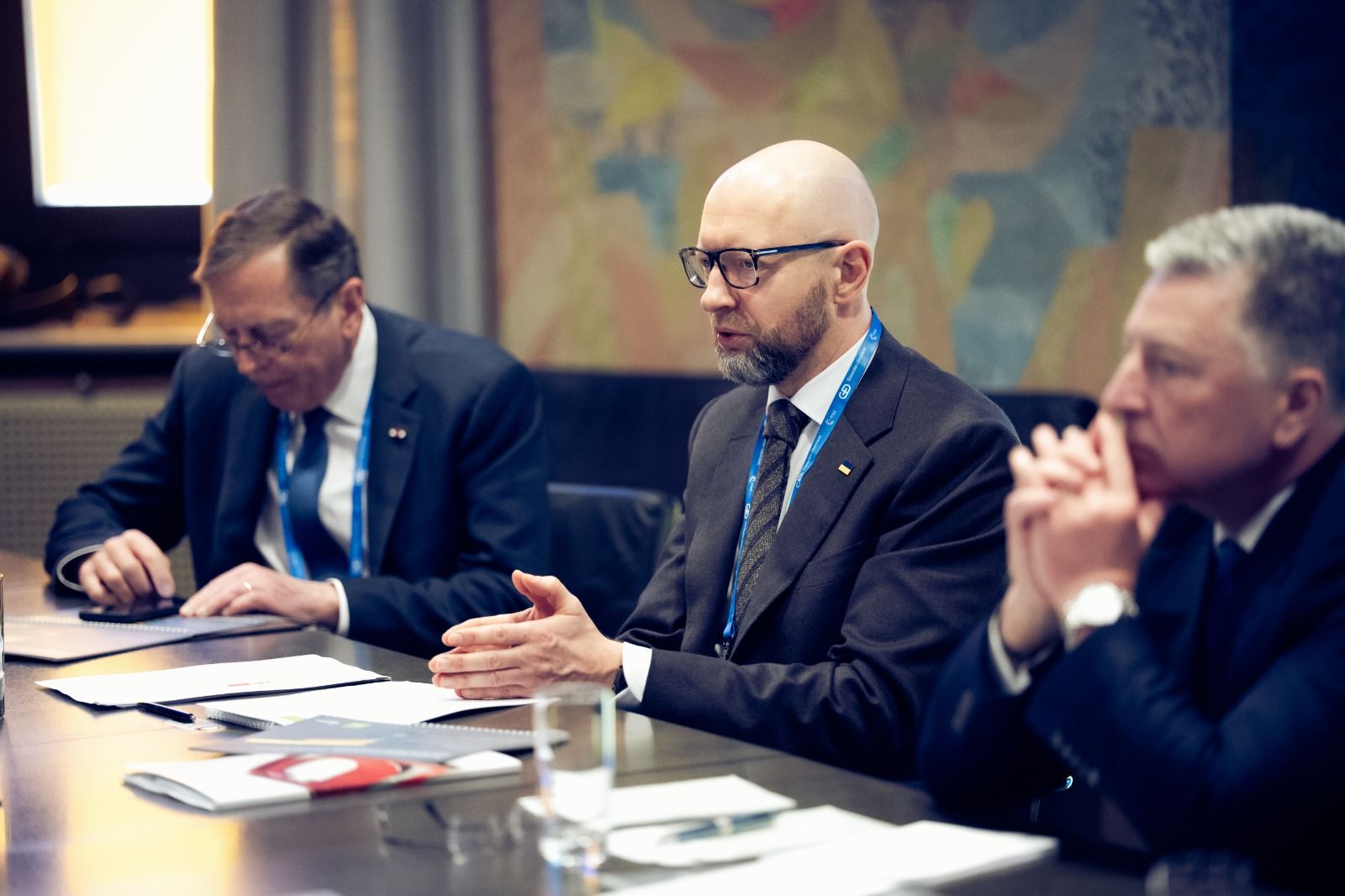
This document will send a clear signal about the specific technologies, resources and financial instruments that the Ukrainian energy sector needs today.
The next stage of discussions is scheduled for the end of April in Kyiv, where a concrete action plan for the protection and modernisation of the Ukrainian energy sector will be presented.
The Kyiv Security Forum was founded in 2007 on the initiative of Arseniy Yatsenyuk. The Munich Security Conference is the most influential international forum for discussing global security issues.



 Ukraine, Kyiv, 01001