


Kyiv Security Forum Analytics
The military operation by the United States and Israel against Iran is increasingly showing signs of dragging on. While its duration was initially expected to be a matter of days, then weeks, observers are now referring to internal Pentagon estimates that suggest it could last for months. Interim elections to the US Congress are effectively becoming the political horizon for this campaign. At the same time, the question arises: will Washington be able to continue to fully control the dynamics of the conflict?
At the same time, the strategic objectives of the operation are becoming increasingly blurred. Initially, the goal was to eliminate Iran's nuclear and missile programmes and physically remove key political and military leaders of the regime. Now, however, a broader formula is increasingly being heard: the removal of the Ayatollahs' religious regime from power. However, the key moment for the implementation of such a scenario has probably been lost. The large-scale anti-government protests in Iran did not receive the external support that their participants had hoped for. Instead, Washington has begun a new round of negotiations with the Iranian leadership. In these circumstances, the opposition, weakened and fragmented, is unlikely to be ready for a new attempt at large-scale political action.
Cooperation with Kurdish armed groups could be a possible tool for putting pressure on Tehran. However, even if a limited ground operation involving Kurdish forces were to be carried out, it would only result in a change of control over individual provinces. This is unlikely to lead to the fall of the central authority of the ayatollahs in Tehran.
Calculations about an internal split in the regime's security forces also proved to be wrong. US President Donald Trump's calls for the Islamic Revolutionary Guard Corps to side with the opposition have no real basis. Moreover, some of the moderate Iranian politicians on whom Washington had been counting were killed in Israeli strikes on the government quarter, along with Supreme Leader Ali Khamenei. Others, such as current President Masoud Pezeshkian, have no real influence on the key power structures of the state. It was also telling that Pezeshkian's promises to refrain from strikes on Arab countries were demonstratively ignored by the Islamic Revolutionary Guard Corps.
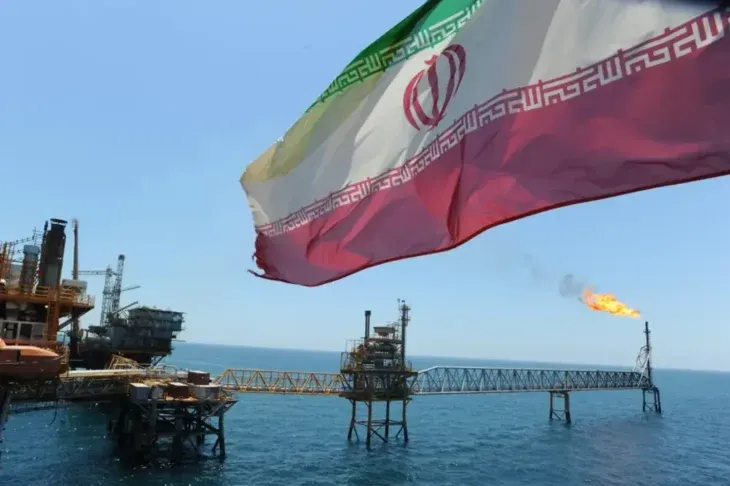
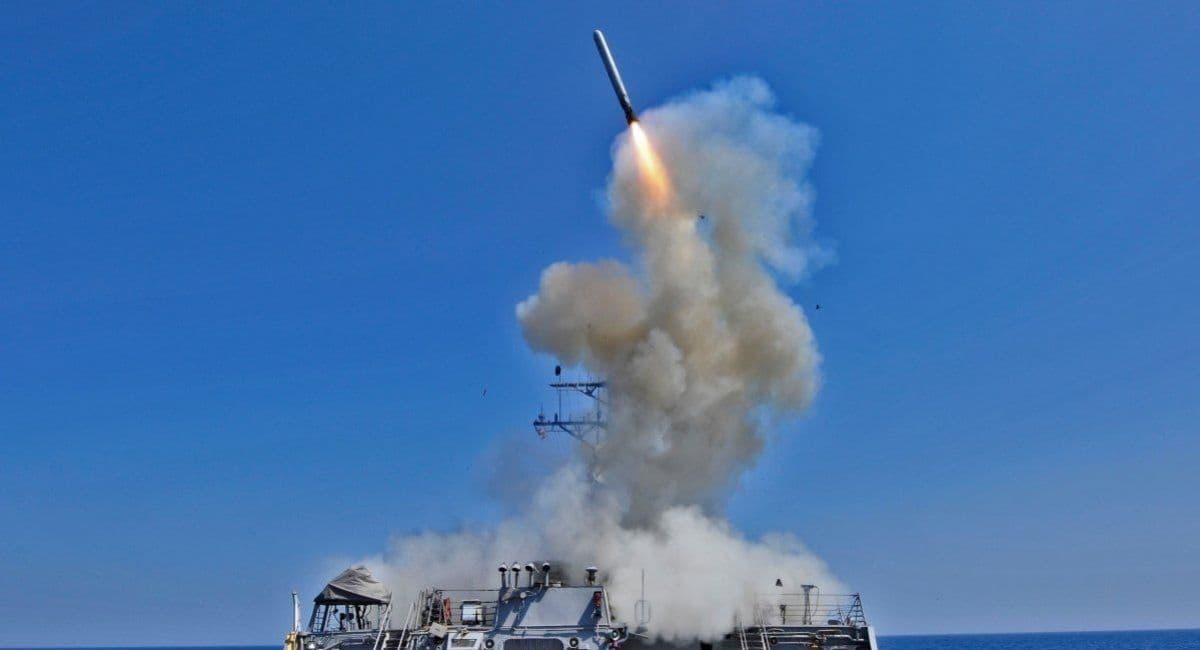
At the same time, the initial military results of the campaign should not be underestimated. The US and Israel have managed to destroy a significant part of Iran's air defence systems, seriously weaken its navy, strike its missile infrastructure and partially paralyse the export capabilities of its oil sector. However, even under these conditions, it is extremely difficult to predict when the operation will end. Moreover, President Trump no longer rules out the possibility of a limited ground operation – for example, to seize enriched uranium stocks.
The energy component is becoming one of the key implications of the conflict. Oil and gas prices are rising rapidly. The Strait of Hormuz remains formally open, but has effectively ceased to be used due to constant shelling. The US promises to guarantee the safety of shipping have not yet been fulfilled. China's calls for Tehran to resume transit, even if they have some impact, are unlikely to change the situation quickly.
Additional pressure on global energy markets is being created by attacks on the oil and gas infrastructure of other countries in the region. Some facilities have been damaged, while others have been temporarily shut down for safety reasons.
For Ukraine, the war around Iran has a double effect. On the one hand, the weakening of Tehran, Russia's key military and technological partner, has an obvious positive impact. The destruction of part of the missile and drone production facilities, as well as stocks of Shahed-type drones, directly affects Moscow's ability to continue the war against Ukraine.
On the other hand, the conflict poses serious risks. First and foremost, there is a sharp rise in global energy prices, which directly increases Russian budget revenues and gives the Kremlin additional resources to rebuild its military potential. The shortage of air defence systems is also becoming a separate problem. Kyiv is already talking officially about a possible shortage of missiles for Patriot systems, and there is no quick solution to this problem in sight.
Ukraine's cooperation with the US and Arab states in countering Iranian drones could strengthen our country's international image and increase interest in the Ukrainian experience. However, this does not solve the key problem – protection against Russian ballistic missiles.
At the same time, the conflict complicates the prospects for peace talks with Russia. Even Washington's demonstrative unwillingness to exacerbate relations with Moscow over its intelligence support for Iran is unlikely to change the Kremlin's position.
Europe is also among the main victims of the war in the Middle East. Rising energy prices and the risk of new migration flows are putting significant political pressure on European governments. This complicates the maintenance of transatlantic unity, especially against the backdrop of President Trump's harsh criticism of certain European allies who have expressed doubts about the advisability of an offensive operation against Iran.
In these circumstances, it is critically important for Ukraine not only to ensure uninterrupted supplies of air defence systems, but also to seek to expand its long-range capabilities. Under current conditions, the destruction of the Russian military-industrial complex's production capabilities is becoming one of the key tools for deterring aggression – not only for Ukraine, but also for the security of Europe as a whole.


 Ukraine, Kyiv, 01001