

Let’s face it, things are changing. This last year taught us that Europeans need to invest more in hard power
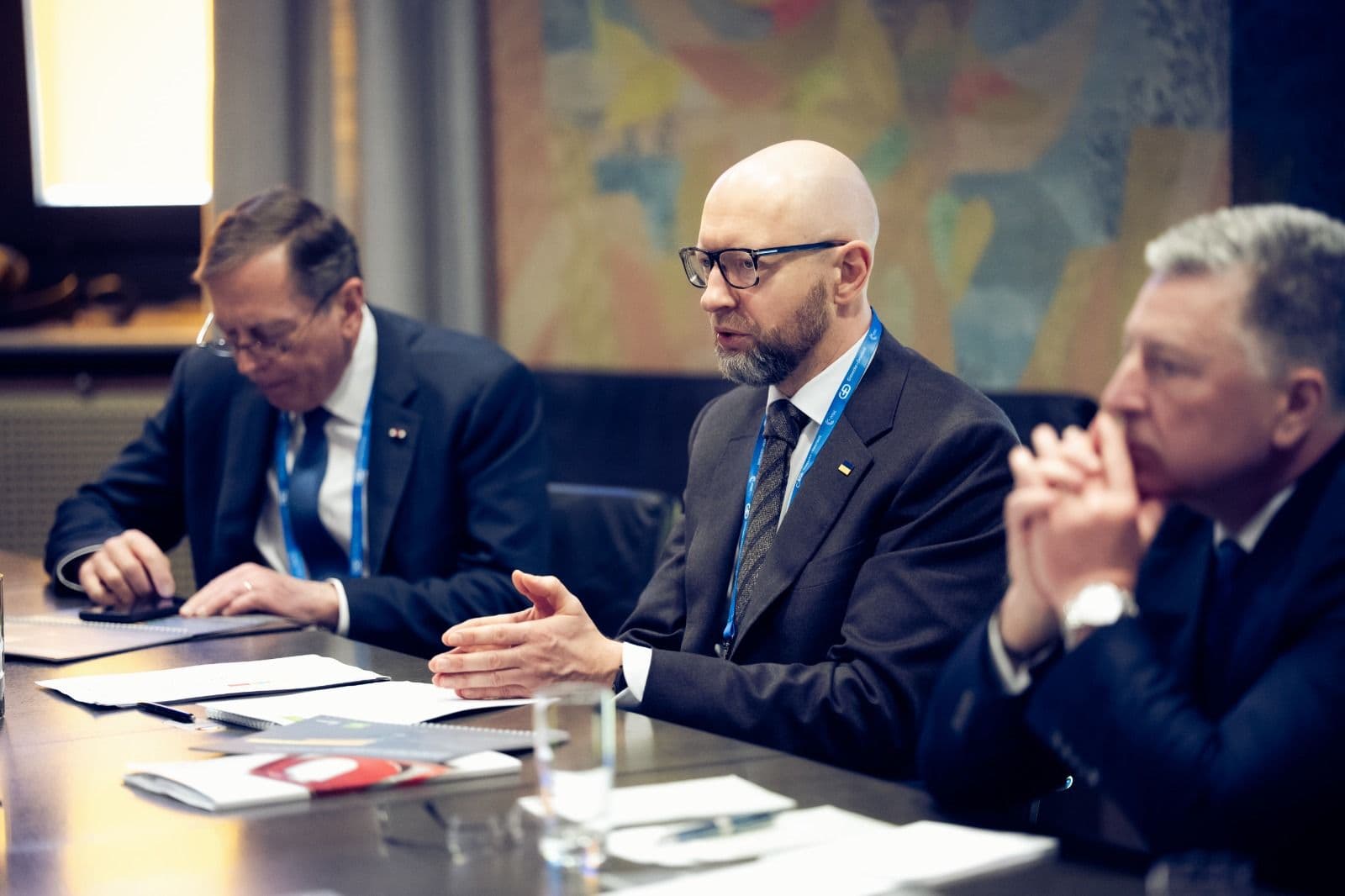
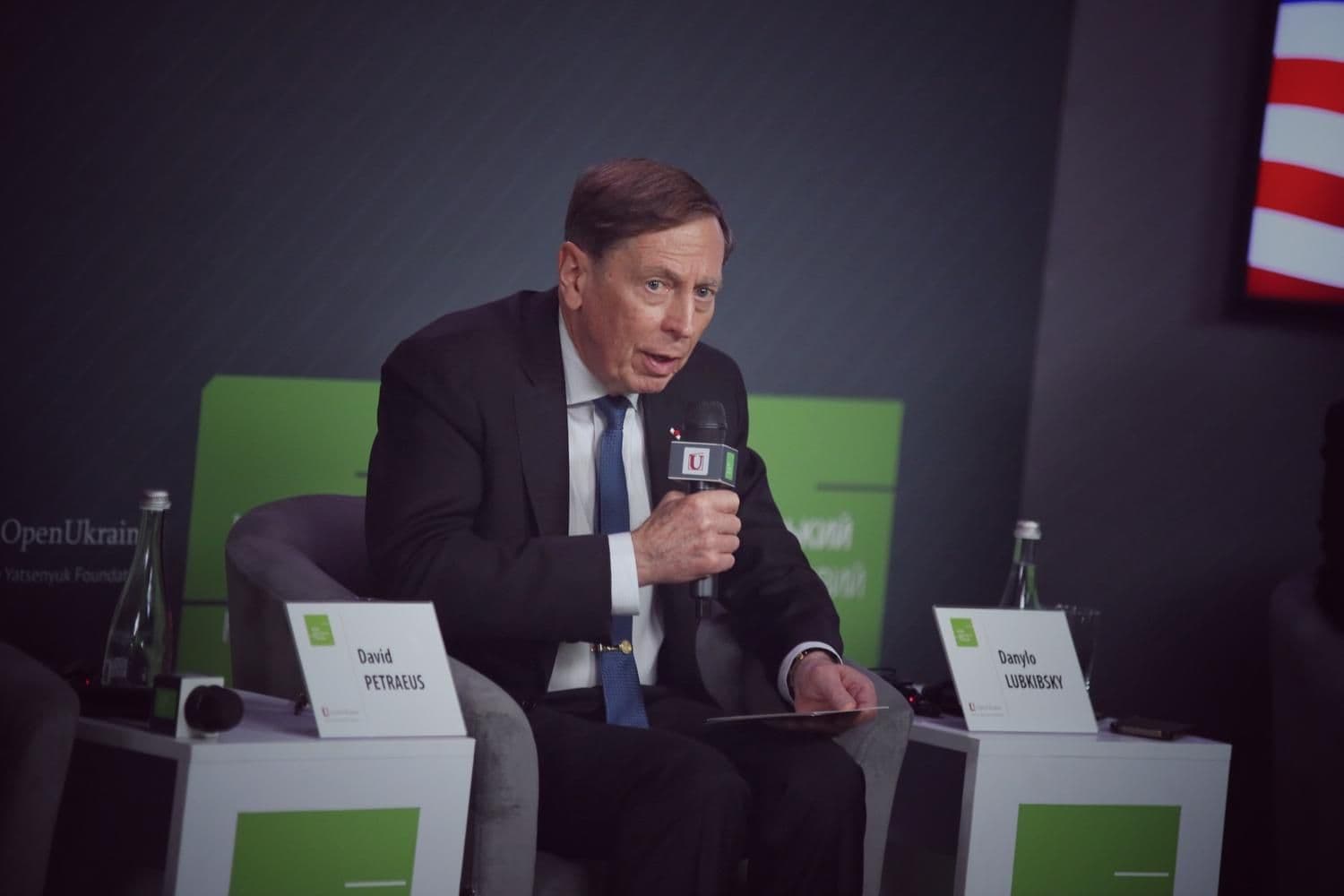
From the speech by British Ambassador to Ukraine Neil Crompton at a KSF Special Session, ‘Twelve Years of War. What Next?’, published on the NV website.
I was in Washington when Republican Senator John McCain was running for office. Back then, he said: ‘When I looked into Putin's eyes, I saw three letters — KGB.’
In the United Kingdom, we believe that Putin will only be able to talk about peace in earnest when we put significantly more pressure on him. First and foremost, we must increase economic pressure on Russia through sanctions.We must take a more creative and unconventional approach to this issue in order to weaken Russia's strategic position.
I am struck by the figures we have received recently, particularly regarding the losses of the Russian army. The Russians are spending billions on disinformation, on shaping their narrative that Ukraine's defeat is inevitable. But they have not been particularly successful. A striking example: when President Zelenskyy was in Kupiansk, just a few kilometres away from the front line, Putin met with Gerasimov in a bunker.
Our strategy should be designed to demonstrate Ukraine's power, determination and resilience. With the support of the United States and Europe, we will be able to reach a position where Russia will face such problems internally that it will be in Russia's own interests to negotiate an end to the war.
This past year has taught us that Europeans need to invest more in hard power, gain more strategic autonomy, and cultivate more productive partnerships.
We must acknowledge that things are changing, and President Trump is adopting a new approach in his dealings with us. But every American president since John F. Kennedy — including Barack Obama — has said that we need to spend more on defence. The US is seeking a balance between Europe and East, and we are responding rather slowly to this.
Europe is finally recognising that we need to take more responsibility for our own security.This is a matter of political awareness: Ukrainian security and our security are inseparable today. NATO members in Europe have increased their defence investments by 50% compared to the past. I can say that these are epoch-making political changes.
So, undoubtedly, we need to maintain our relationship with the United States. We feel stronger because of this. But I think it is high time for us to invest even more in our defence expenditures, in strengthening our military-industrial complex capabilities. We need to coordinate our efforts with the Baltic states and France, at least in terms of security guarantees.
I think Europe is finally responding to what a number of American presidents have been saying.
We are openly looking at the risk posed by Russia. London says that we need to have the most modern nuclear deterrent system. We are modernising our submarines. We are discussing tactical weapons with our French friends. What happened in 2022 redirected Britain's strategic thinking and the restoration of our nuclear deterrent capability.
We diplomats believe in solutions through negotiation. But we all understand your lesson from Budapest and the Minsk process: in order to achieve peace, you must be 100% sure that Russia will not attack again. And if it does attack, it will be met with a fitting response.
Everyone understands this in my country's capital and in other European capital cities.


 Ukraine, Kyiv, 01001