


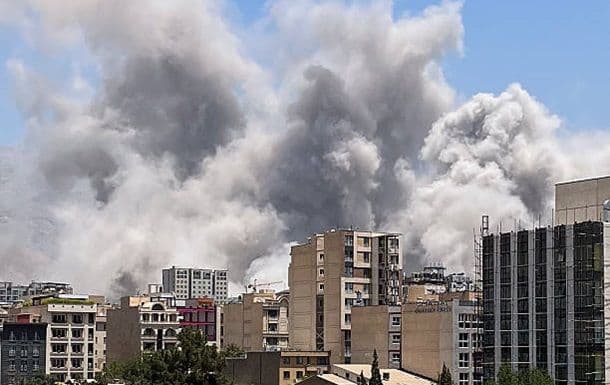
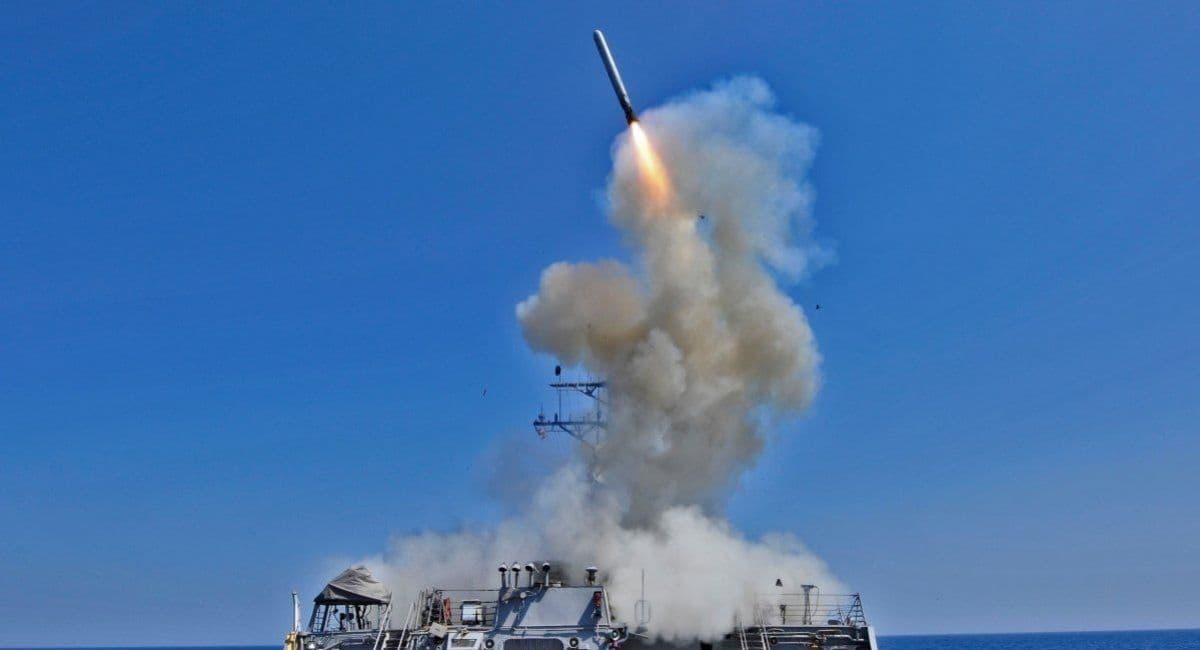
An attack by the US and Israel on Iran won't cause oil prices to shoot up for long – Iranian oil supplies are pretty much tied to China, which, even in the worst-case scenario, will be able to partly replace them with alternative suppliers.
These could include, for example, OPEC+ countries, whose total quota in 2025 has increased by almost 2.9 million barrels per day. For comparison, oil supplies from Iran to China, according to various estimates, amount to between 1.5 and 2 million barrels per day.
In the medium to long term, the US operation in Iran will lead to prices stabilising at medium or relatively low levels – no more than $60 per barrel.
The reasons are as follows:
- on the one hand, a temporary jump in prices will create a favourable backdrop for an increase in OPEC+ quotas, which has been put on hold until the first quarter of 2026;
- if the bombing forces Iran to reach an agreement with the US, the oil embargo on Iran will likely be lifted, and the Iranian oil industry will gain access to the services of international oil service companies.
In both cases, the bombing of Iran will result in an increase in oil supply, which will help to ‘cool down’ the situation on the oil market.
If the war in Iraq ushered in an era of high oil prices, then the US military operation in Iran could bring it to an end.






 Ukraine, Kyiv, 01001