





Kyiv Security Forum Analytics
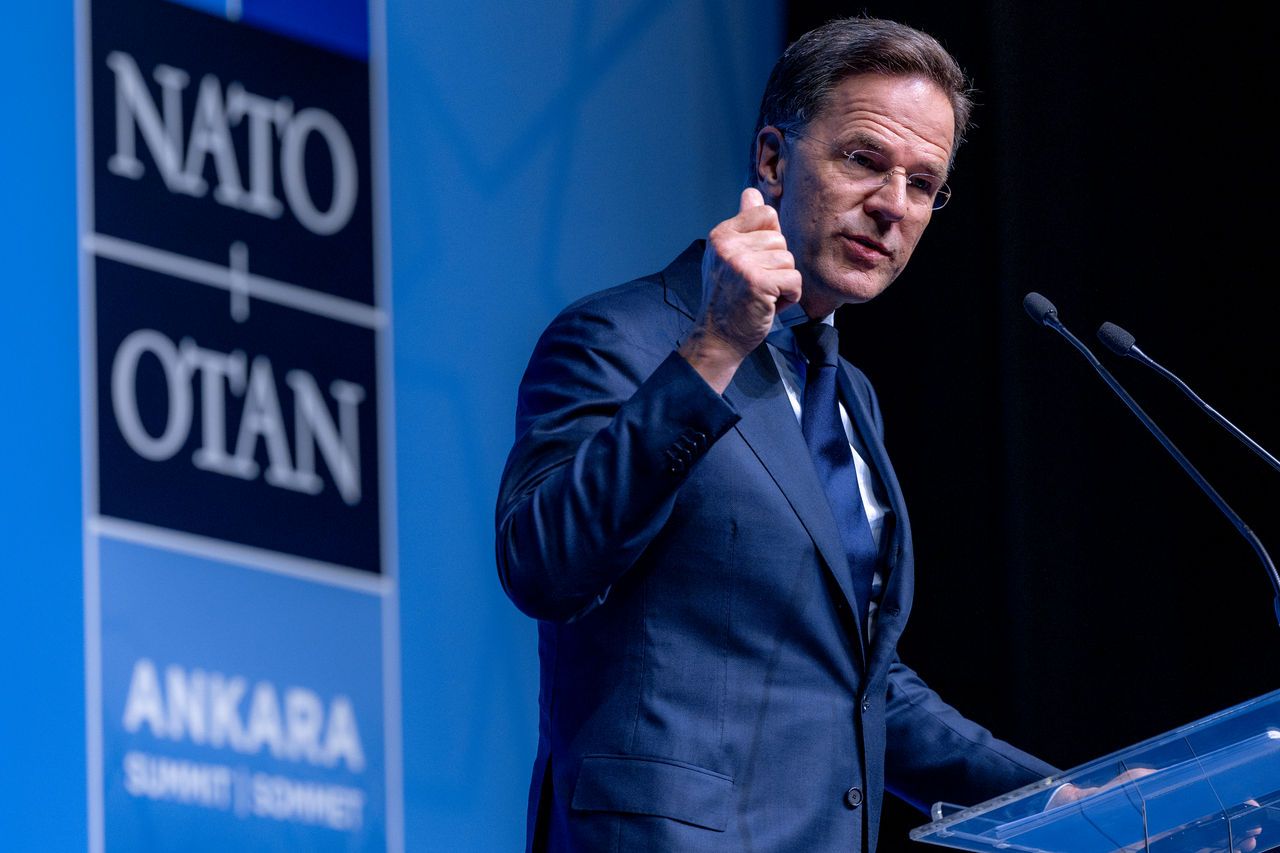
The central topic of the NATO summit in Ankara was the increase in military spending and arms production within the Alliance. This is why the Defence Industries Forum, which kicked off the summit, attracted such significant attention. According to NATO figures, defence spending by European allies and Canada has risen by 20 per cent since last year, compared with 2024, or by 139 billion dollars. A further 11 per cent increase is forecast for this year.
NATO Secretary-General Mark Rutte announced new contracts worth tens of billions of dollars for the procurement of armaments. In his view, this should serve as a further incentive to strengthen transatlantic cooperation.
However, as Politico notes, the funding for this in Europe will be provided by the EU, which has somewhat different priorities. The European Union is focusing primarily on developing its own defence sector to reduce its dependence on US capabilities in critical areas. This is particularly important against the backdrop of statements by the US administration regarding a reduction in its military presence in Europe and Washington’s increasingly unpredictable behaviour.
Geographical restrictions on the use of funds apply not only to the flagship SAFE programme, with a budget of €150 billion, where the share of components from outside the EU must not exceed 35 per cent of the cost of the weapons. They also apply to the EU’s €90 billion loan to Ukraine, where the lion’s share – €60 billion – is earmarked for European and Ukrainian arms manufacturers.
In Ankara, it was announced that NATO will procure the GlobalEye system manufactured by Saab, whilst individual member states will consider the feasibility of purchasing the Airbus A400M strategic military transport aircraft. Plans were also announced for the European production of RTX’s Stinger anti-aircraft missiles; a feasibility study for expanding the production of Raytheon’s AMRAAM missiles in Europe; a European maintenance centre for Lockheed Martin’s PAC-3 Patriot interceptor missiles; and a joint project between Lockheed Martin and Rheinmetall to produce ATACMS missiles in Germany.
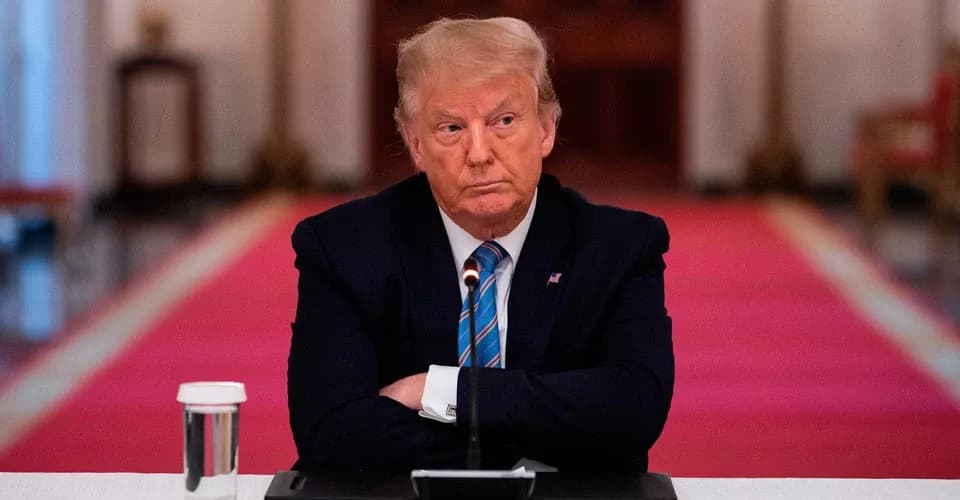
And it cannot be said that Europe’s concern about Washington’s unpredictability is unfounded. Against the backdrop of a new wave of exchanges of strikes between the US and Iran and, as a result, Tehran’s latest suspension of shipping through the Strait of Hormuz, US President Donald Trump has swapped the good humour he displayed towards European allies at the G7 summit for irritation. At a joint press conference with Turkish President Recep Tayyip Erdoğan, he stated that he had attended the NATO summit solely out of respect for his Turkish ‘friend’, and resumed his customary attacks on his European counterparts over their ‘insufficient’ loyalty and support in the war against Iran.
Speaking at the Defence Industry Forum, President Volodymyr Zelenskyy highlighted Ukraine’s successes in countering Russian aggression through the scaling up of drone strikes over medium and long ranges. He emphasised that it would be unwise for NATO to leave a country with such military capabilities outside the Alliance. Zelenskyy also called on partners to assist Ukraine with air defence and to develop their own European capabilities for the production of anti-missile systems, including the Patriot, as US production rates do not meet European requirements.
Today, on July 8, another meeting between the Ukrainian and US presidents is scheduled, during which they plan to discuss the possibility of increasing pressure on Russia to force it to make peace. Observers are rather sceptical about the outcome of this meeting – particularly against the backdrop of Trump’s recent, familiar statements about yet another ‘wonderful’ telephone conversation with Putin and the latter’s alleged interest in ending the war.
However, the situation has now changed significantly in Ukraine’s favour, and Washington is aware of this. Moreover, US intelligence is warning of possible attacks or military provocations by the Russians against Poland in the coming months. This could take the war in Europe to a new level and trigger an escalation between Moscow and NATO. Therefore, forcing Putin to stop the bloodshed now is in the interests not only of Ukraine, but of the entire Alliance, particularly the US.


 Ukraine, Kyiv, 01001