




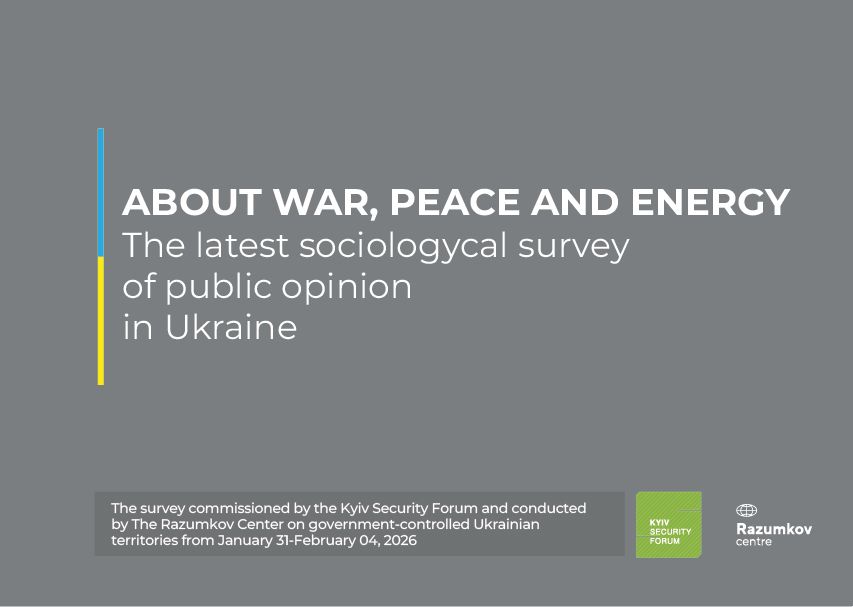
The sociological survey ‘Citizens' assessment of the situation in the country, vision of ways to solve security problems’ was conducted by the Razumkov Centre's sociological service on behalf of the Kyiv Security Forum from 31 January to 4 February 2026 using telephone interviews.
A total of 1,003 respondents aged 18 and older living in all regions of Ukraine (except for the Autonomous Republic of Crimea) were interviewed. The survey was conducted with citizens who, at the time of the survey, were located in the territory of Ukraine controlled by the Government of Ukraine and covered by the telephone networks of Ukrainian telephone operators.
The structure of the sample population reflects the demographic structure of the adult population of the territories where the survey was conducted as of the beginning of 2022 (by macro-regions, age, gender, type of settlement).
The theoretical sampling error does not exceed 3.2%.
In the analysis, the results of this study are compared with the results of other studies conducted by the Razumkov Centre's sociological service.
Key findings of the study
• Ukrainians have a very high level of trust in the institutions directly responsible for the country's defence (the Armed Forces, the National Guard, the State Border Service, the Main Intelligence Directorate, and the Security Service of Ukraine), and this high level of trust has been maintained over the last three years.
• The majority of respondents trust the President of Ukraine, which is partly due to his role as Commander-in-Chief.
• More Ukrainians distrust the NABU, the police, the prosecutor's office, the judicial system, the government and the Verkhovna Rada than trust them. Over the past six months, the level of trust in the NABU and the judicial system has increased, while the level of trust in the police and the Verkhovna Rada has decreased.
• Ukrainians have a positive attitude towards countries that consistently support Ukraine. Recently, the level of positive attitudes towards the United Kingdom and Canada has increased. Positive attitudes towards France, Germany and the EU have remained consistently high.
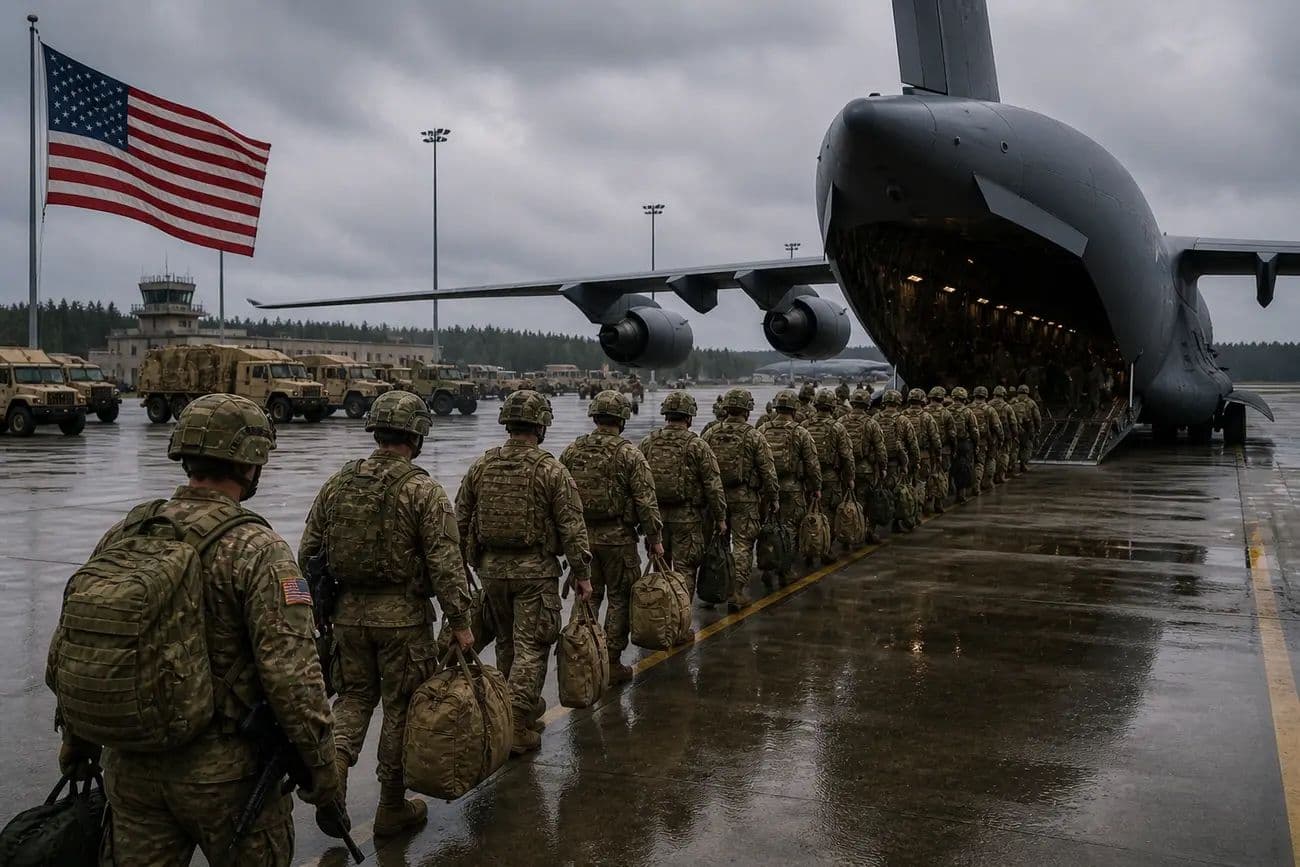
• The majority of respondents express positive attitudes towards the US, although this share has decreased significantly over the past six months.
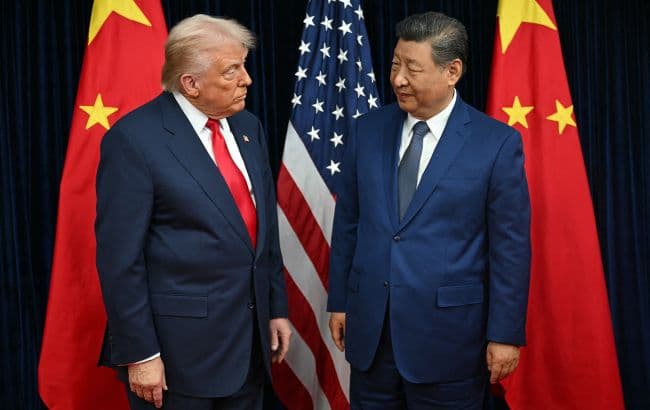
• Negative attitudes towards China have decreased, although they remain very high (two-thirds of respondents express negative attitudes towards China).
• The already extremely negative attitude towards Russia has worsened.
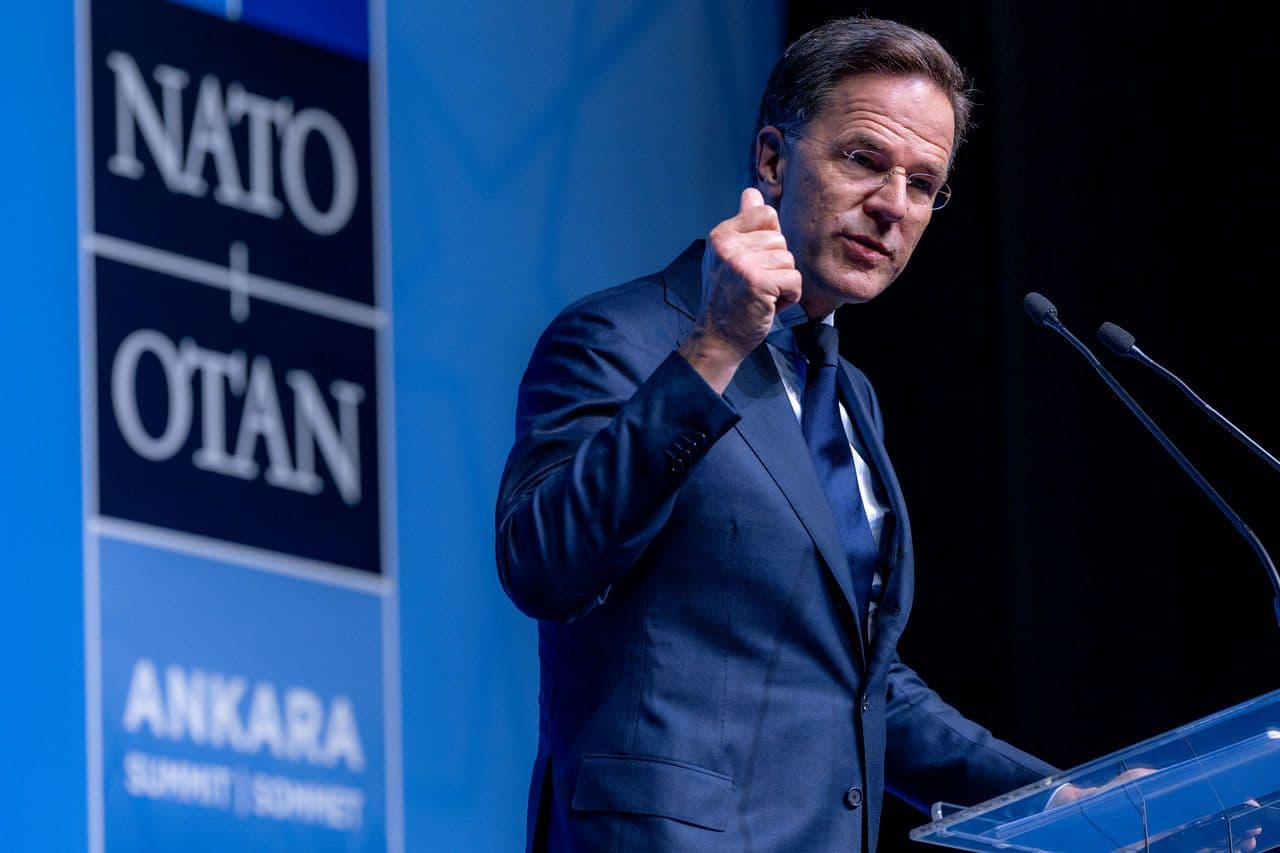
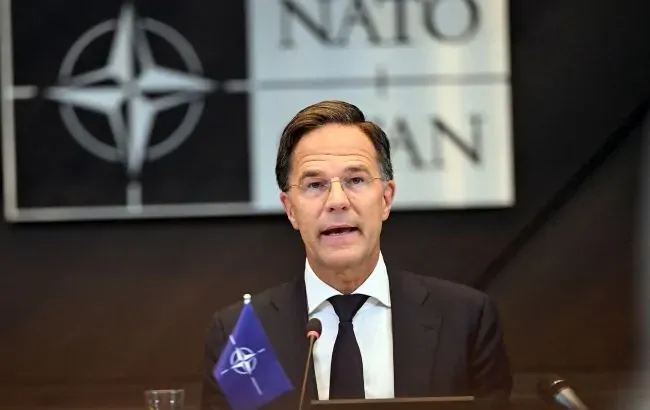
• Almost three-quarters of respondents express a positive attitude towards NATO, but this figure has deteriorated over the past six months. However, support for Ukraine's accession to NATO has not declined and remains consistently high (71%).
• Support for Ukraine's accession to the EU is even higher (83%).
• 84% of Ukrainians believe in Ukraine's victory in the war with Russia. This figure has increased significantly compared to 2025.
• There is no consensus among Ukrainians on the minimum conditions necessary for concluding a peace agreement with Russia, but only 7% of respondents are willing to cede territories (in Donbas and southern Ukraine) currently controlled by Ukraine for the sake of peace.
• The vast majority of respondents believe that in order to sign a peace agreement with Russia, it is impossible to compromise on real security guarantees, assistance in Ukraine's economic recovery, reparations from Russia in favour of Ukraine, control over Donbas, and Russia's responsibility for war crimes. A relative majority of respondents believe that Ukraine's course towards EU and NATO membership should not be compromised.
• Only a third of respondents believe that the Ukrainian government is successfully negotiating with the US, EU and Russia on a possible peace agreement.
• Three-quarters of respondents believe that if a peace agreement is signed between Ukraine and Russia, Russia will violate the agreement and attack Ukraine as soon as it suits them. This number has increased significantly compared to May and September 2025.
• More than two-thirds of respondents are convinced that even if Ukraine withdraws its troops from the entire Donbas region, Russia will continue its aggression.
• As was the case six months ago, two-thirds of respondents believe that Russia is planning to attack one of the NATO countries.
However, during this time, the proportion of those who believe that it definitely intends to do so has decreased, while the proportion of those who believe that it may intend to attack has increased.
• The vast majority of respondents believe that NATO is capable of effectively defending itself in the event of an attack by Russia.
• Three-quarters of respondents reported poor energy supply during the week before the survey, more than a third reported poor heating, and another 1-2% of respondents had no heating or energy supply at all. 60% of respondents had no problems with heating, and a quarter had no problems with energy supply.
• The vast majority of Ukrainians blame Russian troops for the prolonged disruption of electricity, water and heat supplies.
However, at the same time, almost half of those surveyed also blame local authorities, which is significantly more than in December 2022.
• Three-quarters of those surveyed said that their town or village had been affected by Russian attacks, and 8% said that they or their families had suffered physical or material damage as a result of Russian attacks.
• A relative majority of respondents believe that Ukraine should respond in kind to Russian attacks on critical infrastructure. More than a third of respondents believe that Ukraine should intensify its attacks on Russian critical infrastructure, and only 5% agree to accept all of Russia's conditions in order to end the war.
The results of the sociological survey can be found here:
Results of the sociological survey
Dynamics of the sociological survey

 Ukraine, Kyiv, 01001