





Kyiv Security Forum’s Analytics
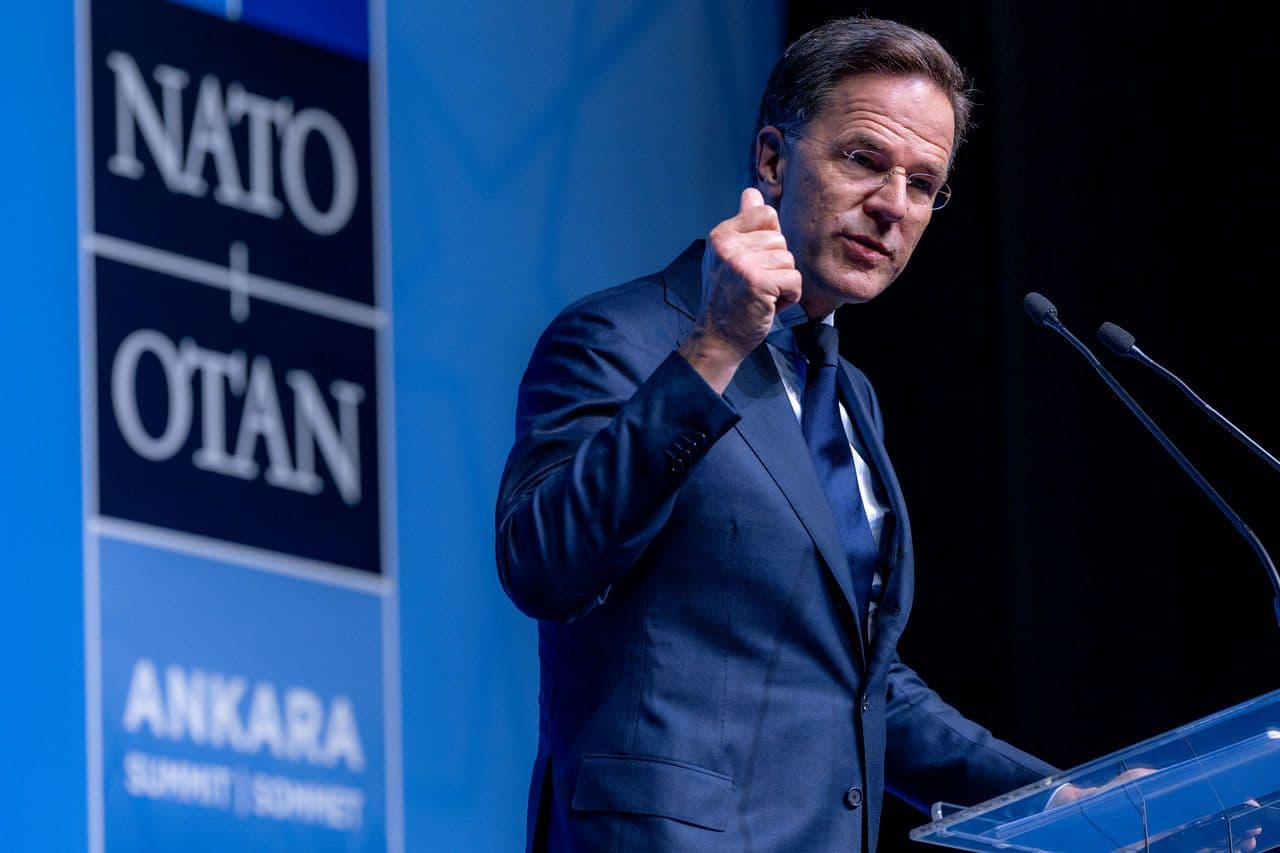
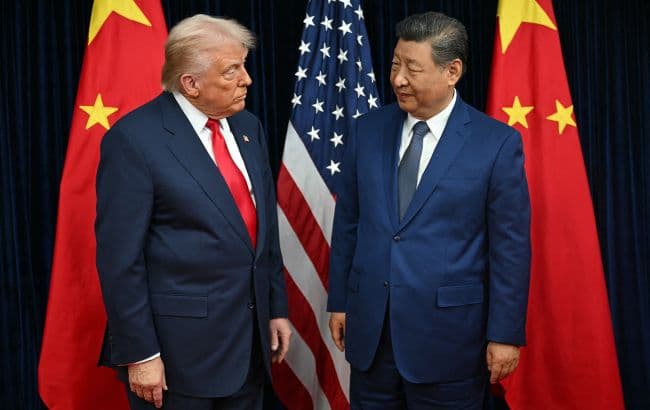
European NATO allies are hoping that the friendly tone displayed by US President Donald Trump during the G7 summit in France will not fade ahead of the Alliance leaders’ meeting, which is due to take place in Ankara on 7–8 July.
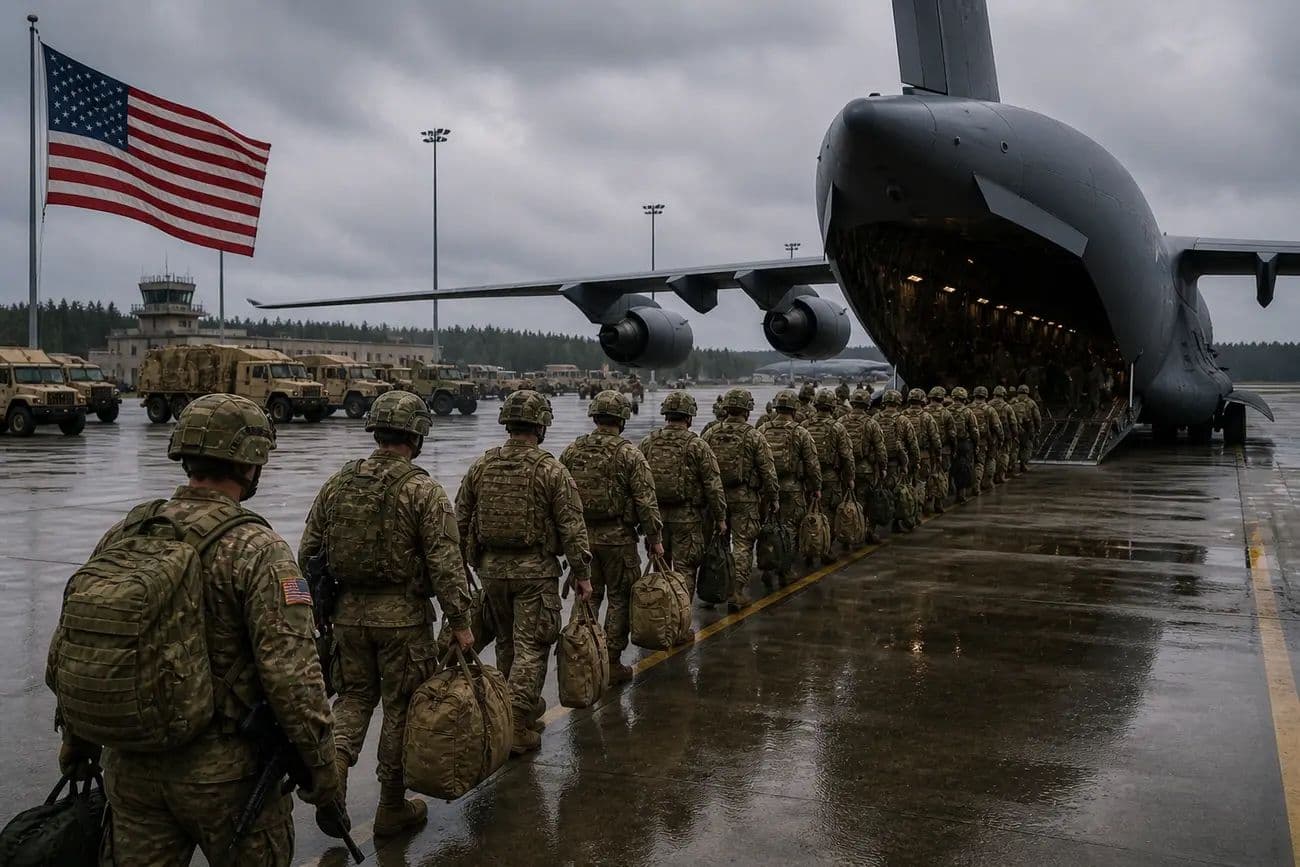
Politico reports that the final declaration is set to reaffirm commitment to Article 5 on collective defence and the view of Russia as a long-term threat. This would be intended to demonstrate the Alliance’s unity in ensuring Europe’s security – both to its allies and to Russia. Furthermore, for Europeans, maintaining the US’s readiness to assist with defence is crucial in light of Washington’s recently announced plans to reduce the American military presence on the continent. After all, this concerns not only the size of the American contingent, but also vital assets – in particular aircraft, submarines and drones.
NATO Secretary-General Mark Rutte also aims to include in the final document an assurance that member states are prepared to increase defence spending to the 5 per cent of GDP target set for 2035. During the summit, new arms contracts and plans to ramp up weapons production worth billions of dollars will be announced. Among the priorities are investments in long-range systems, air defence and drones. Rutte wants to make this issue central to the summit, as it could not only strengthen NATO’s defence but also help overcome internal divisions within the Alliance.
As expected, Ukraine will also be one of the key issues. A new military aid package worth 70 billion euros is set to be announced during the summit. Washington will not be involved in putting this package together. At the same time, as air defence supplies will be one of the main areas of focus, it cannot be ruled out that some of the weapons will be purchased from the US.
Apart from the US, Slovakia has also announced that it will not be participating in this initiative. According to Prime Minister Robert Fico, new arms deliveries will only contribute to escalation.
The declaration will also address the issue of Iran. Although the allies’ attitudes towards US actions in the region are rather mixed, it is expected that they will be able to agree at least on a call for Tehran to open the Strait of Hormuz and respect freedom of navigation. As Rutte’s recent visit to Washington demonstrated, the issue of Iran and Europeans’ attitudes towards its various aspects remain highly sensitive for US President Donald Trump. The NATO Secretary-General therefore hopes for mutual support on issues of fundamental importance to both Americans and Europeans.
On the eve of the summit, Rutte also visited the UK, which currently appears to be the ‘weak link’ when it comes to defence spending. It is precisely this issue that has sparked a serious political crisis there. Defence Minister John Healy opposed the cuts to defence spending insisted upon by Keir Starmer – this conflict within the government cost first the minister and then the Prime Minister their posts.
Rutte expressed the hope that Andy Burnham, who is soon to take over the leadership of the Labour Party and the post of Prime Minister, would focus on increasing defence spending in order to reach the agreed target of 5 per cent of GDP by 2035. The NATO Secretary-General placed particular emphasis on the fact that additional defence spending would stimulate economic growth – a point recently highlighted by Burnham himself.
Whether the summit in Ankara will demonstrate the Alliance’s unity remains to be seen in the coming week. However, the very list of issues – ranging from defence spending to support for Ukraine and freedom of navigation in the Strait of Hormuz – indicates that NATO is seeking not only a common external stance, but also a way to overcome its own internal divisions.


 Ukraine, Kyiv, 01001