





Kyiv Security Forum Analytics
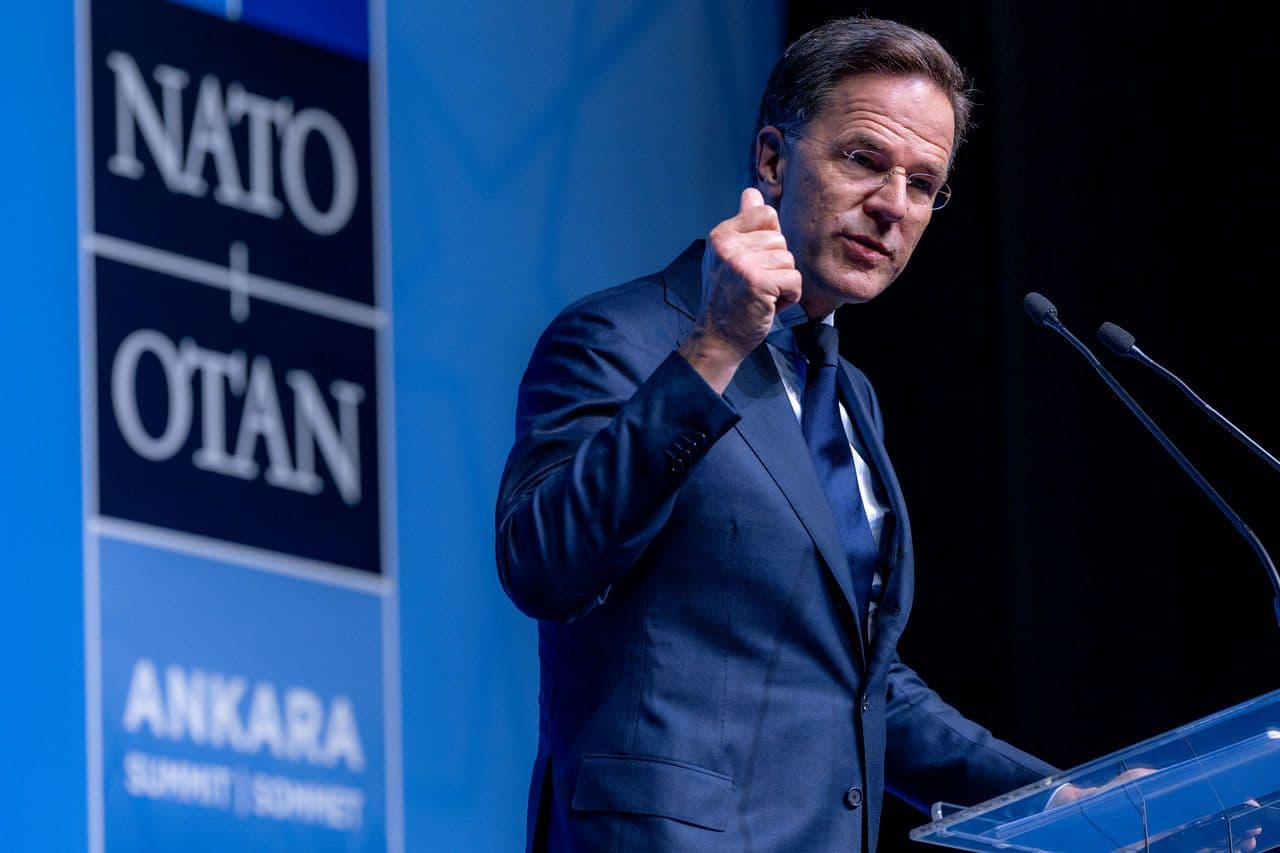
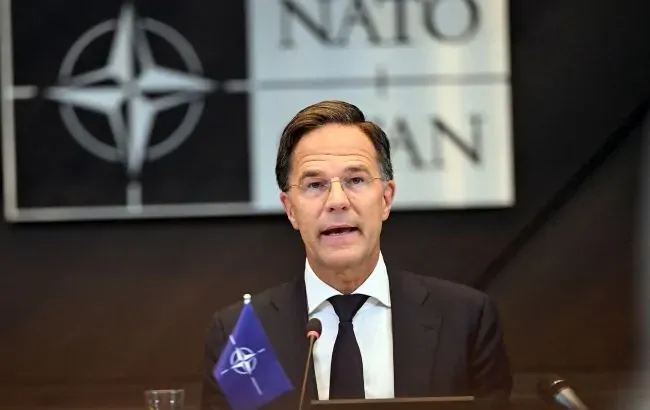
According to the American media outlet Politico and the German magazine Der Spiegel, during a closed-door meeting of NATO political directors, Washington warned its allies of a gradual reduction in US military capabilities allocated to NATO operations.
This concerns not only troop reductions but also strategic bombers, fighter jets, aircraft carriers, reconnaissance drones, submarines and warships. Furthermore, it is anticipated that NATO military commanders will no longer be able to issue orders to US forces in Europe, meaning they will be unable to deploy them in the event of a Russian attack. Europeans have until June to put forward proposals for replacing these assets with their own resources or procuring the necessary US equipment.
There is nothing fundamentally new in this. However, it seems that the Europeans did not expect the US to withdraw on such a scale.
These statements can be seen as part of a continuing trend of pressure from Washington on Europe to stimulate its efforts to ensure its own defence. But this time it concerns not only American military units, but also assets that Europe does not possess. In the view of the average person, at least some of these should also be used to underpin the US ‘nuclear umbrella’ for Europe. However, Washington emphasises that nuclear commitments remain in force, and the reduction applies only to conventional capabilities, which Europe could compensate for or acquire.
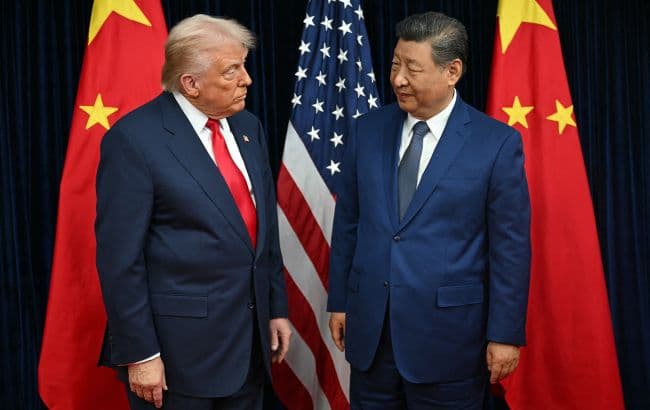
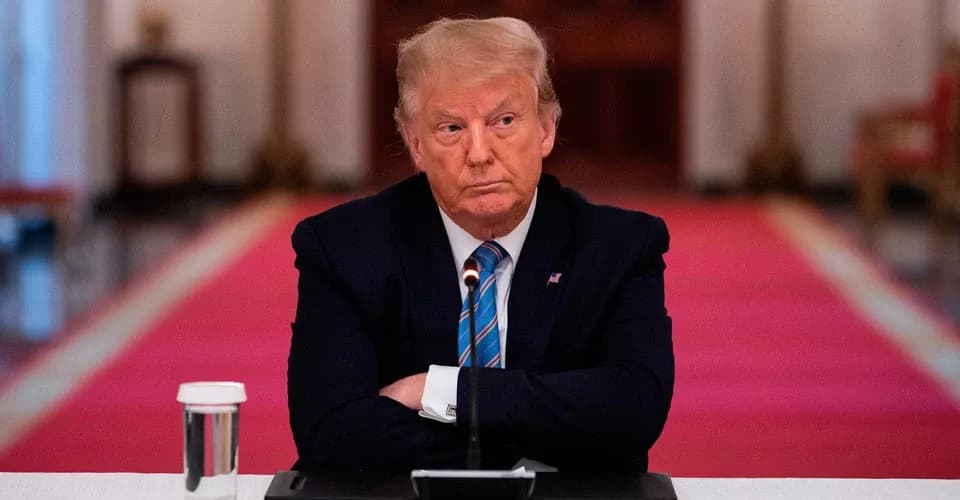
It is interesting that all these changes are still justified by the US’s desire to focus on other regions, in particular the Western Hemisphere, the Middle East and the Indo-Pacific. At the same time, reference is made to President Trump’s remarks following his meeting with Chinese leader Xi Jinping, in which he stated that he had no intention of sending American troops ‘9,500 miles’ to defend Taiwan. Trump has repeatedly emphasised his indifference regarding the opening of the Strait of Hormuz, in the spirit of ‘there is a great and beautiful ocean between us’, so let Europe, which has an interest in this, deal with the issue.
Of course, bringing Cuba under control – a goal neither Trump nor Rubio are willing to abandon – is a far more achievable objective for a nuclear superpower, comparable to a successful operation in Venezuela. Moreover, it could have a positive impact on the mid-term elections to the US Congress. However, does such a stance align with Washington’s claims to democracy and as the world’s number one military power?
Fortunately, the cuts do not yet affect all American assets. In particular, they do not concern satellite communications and intelligence, or airspace surveillance capabilities. However, even in this scenario, it will pose a serious problem for Europeans.
Undoubtedly, Ukraine, with its practical experience of waging modern warfare and its military-technical achievements, could partially offset the losses caused by the Americans’ withdrawal. However, Washington’s blocking of Ukraine’s NATO membership could prove a serious obstacle here. And the EU, which is more open to Ukraine’s integration, does not yet play a decisive role in ensuring Europe’s defence.
A reduction in the US conventional presence on the European continent will not help to provide security guarantees for Ukraine itself, without which an end to the war with Russia is unlikely, and a ceasefire – unstable.


 Ukraine, Kyiv, 01001