





Kyiv Security Forum Analytics
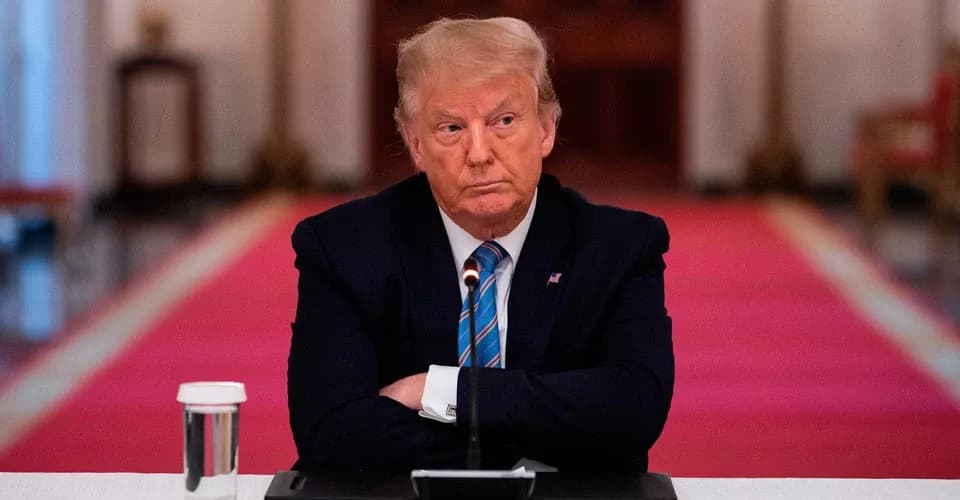
As evidenced by US President Donald Trump’s latest statements, the actual outcomes of the American leader’s visit to China fall significantly short of the glowing assessments he made in his press statements.
On the most important security issue for the US – Iran – the parties confirmed their unity on fundamental positions: the war must end, Tehran must not possess nuclear weapons, and the Strait of Hormuz must remain open. But this has been stated before. Beijing has never publicly contradicted Washington on key approaches to a settlement, whilst maintaining special relations with Tehran, both economic and, it is suspected, of a military nature.
However, it is a long way from agreeing with the basic principles of a settlement to reaching agreements on exerting pressure on the Iranian leadership to ensure their implementation. During his visit, the Chinese leader signalled his readiness to play a more active role in resolving the Iran issue. However, the extent of this activity, as well as agreement with Washington on the details of the settlement (in terms of the sequence of steps and the protection of Tehran’s interests), remain in question for now.
Stable peace and an unimpeded transport corridor to Middle Eastern energy resources are undoubtedly important for China. On the other hand, Beijing views these issues as significant levers of influence over Washington, with the aim of protecting its own key strategic interests, which lie not in the Middle East but in Taiwan.
However, there have been no noticeable changes in the US position on this matter. And this does not entirely satisfy China, particularly regarding Washington’s readiness to sell arms to Taiwan and provide military support should China attempt to resolve the issue of the island by military means. And this is despite Xi’s warning that ‘missteps’ or an incorrect resolution of this issue by Washington could lead to ‘clashes or even conflict’ between the countries.
Among the “most important international and regional issues” discussed, Ukraine was also mentioned. However, no specific details regarding the agreements reached have been reported. China’s readiness to play a more active role in ending the war will become clearer during Russian dictator Putin’s visit to Beijing, which is due to take place in the near future.
The economic aspects of the relationship are no less important for the parties. As a result of last year’s tariff manoeuvring by Trump and Beijing’s retaliatory trade blackmail, the parties reached temporary compromise agreements which, however, do not appear ideal for either of them.
The US insists on expanded access to the Chinese market and the lifting of restrictions on the export of rare-earth minerals. The Chinese are demanding the lifting of restrictions on access to new technologies, particularly in the fields of artificial intelligence and microchips, the abolition of protective tariffs, and an end to politically motivated bans on investment in American companies.
According to Trump and members of his administration, significant progress was made during the meetings: Beijing expressed its readiness to increase imports of US agricultural products, purchase American oil and 200 Boeing aircraft, and establish a bilateral ‘Trade Council’.
Xi also assessed the results positively, albeit in very general terms. He stated that following the visit, Beijing’s doors “to the outside world will open even wider”, and “American companies will have even better prospects in China”.
However, the real significance of the economic agreements will only become apparent in due course.
Both sides confirmed their interest in extending the one-year ‘trade truce’, which expires in October. At the same time, no firm public commitments were made on this matter. Statements from representatives of Trump’s cabinet on this matter included phrases such as “if this continues to work well for both countries”.


 Ukraine, Kyiv, 01001