




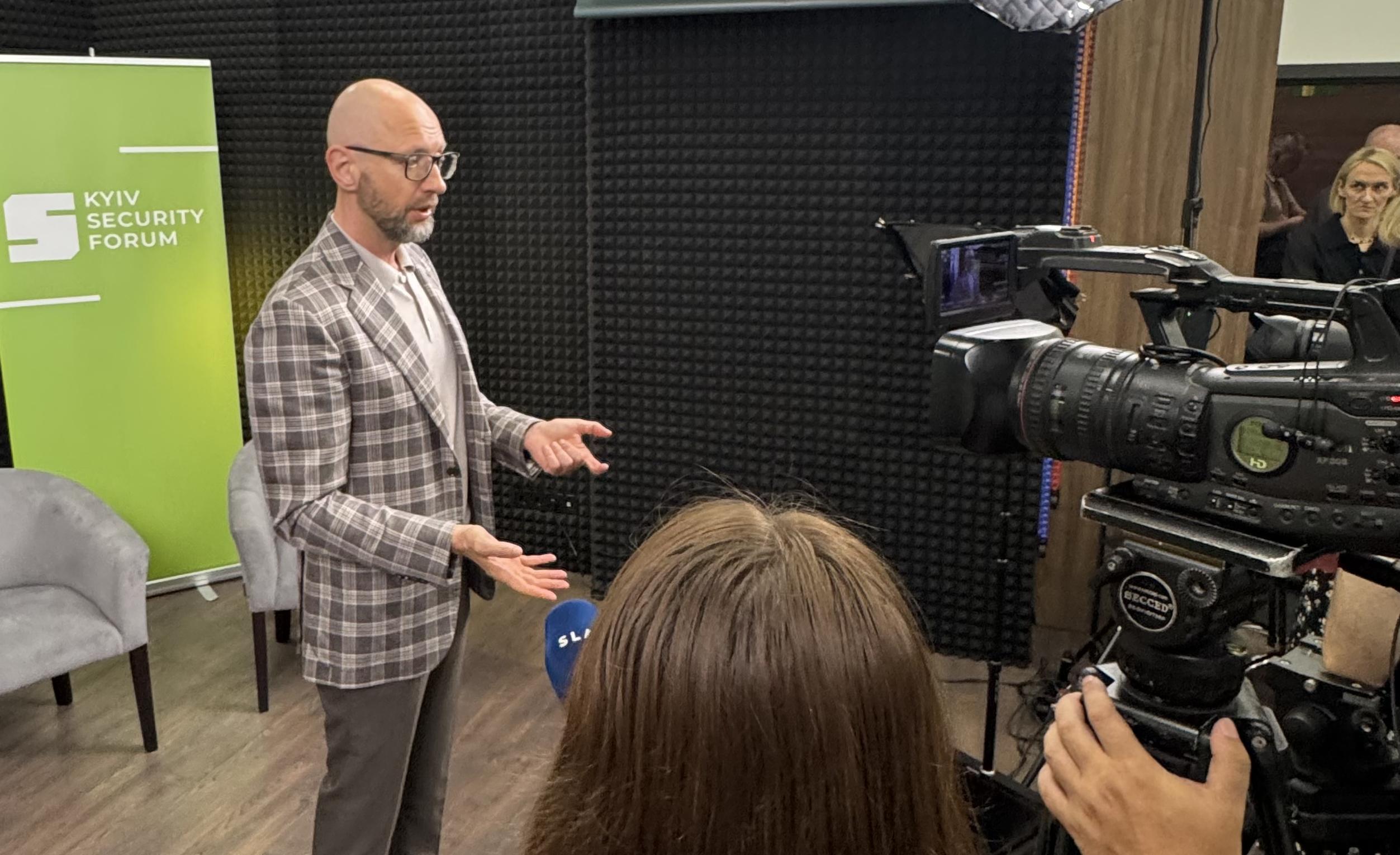
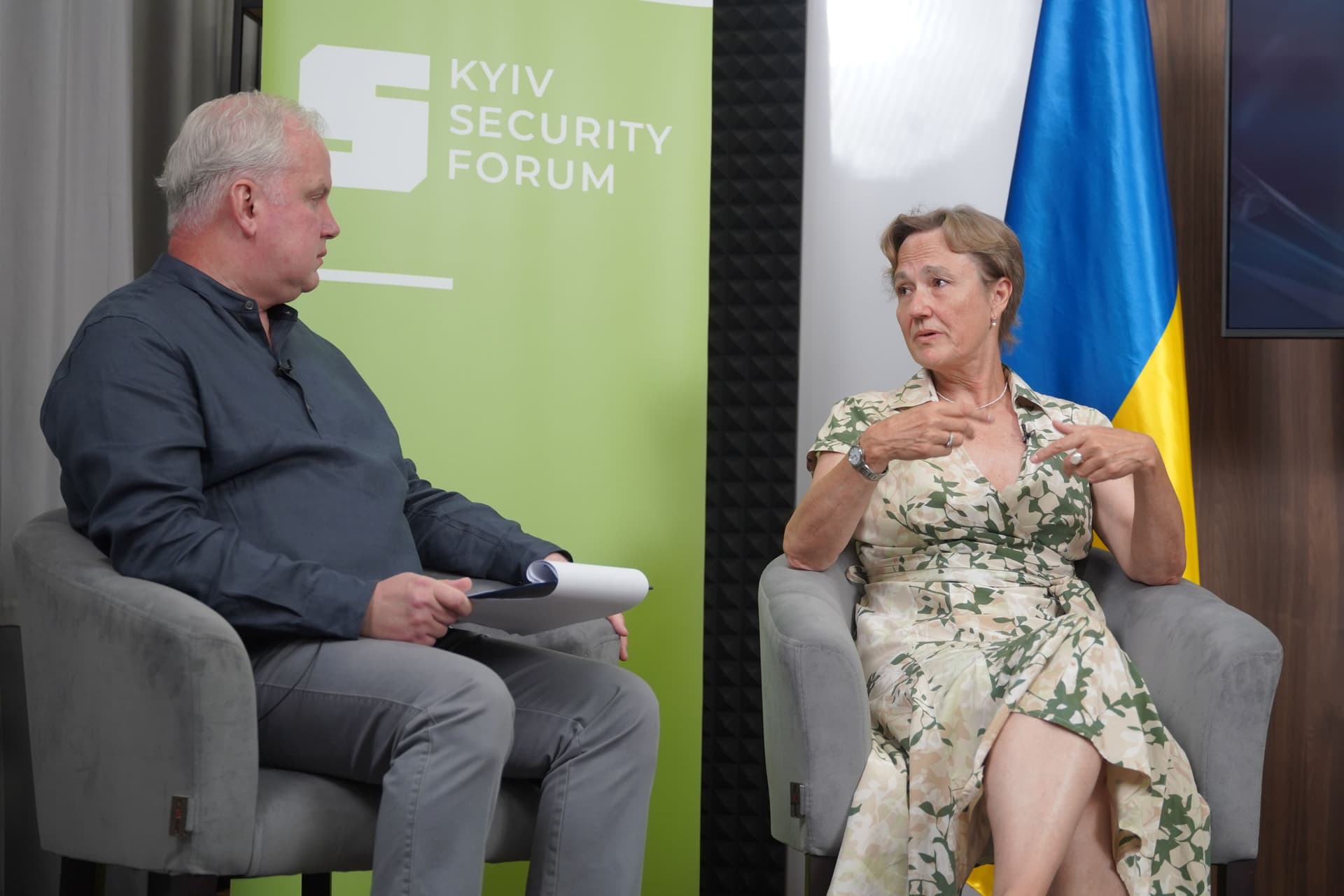
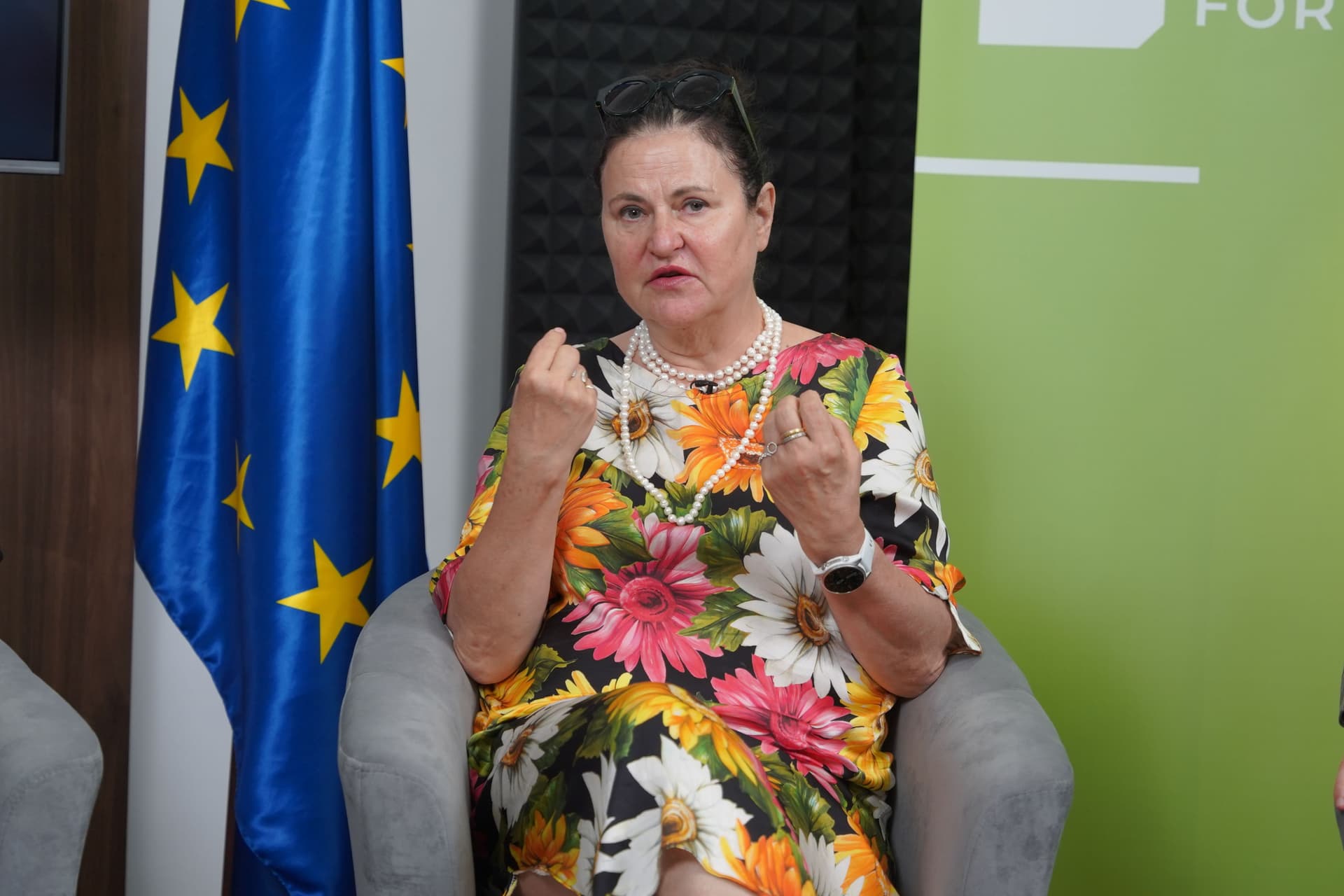
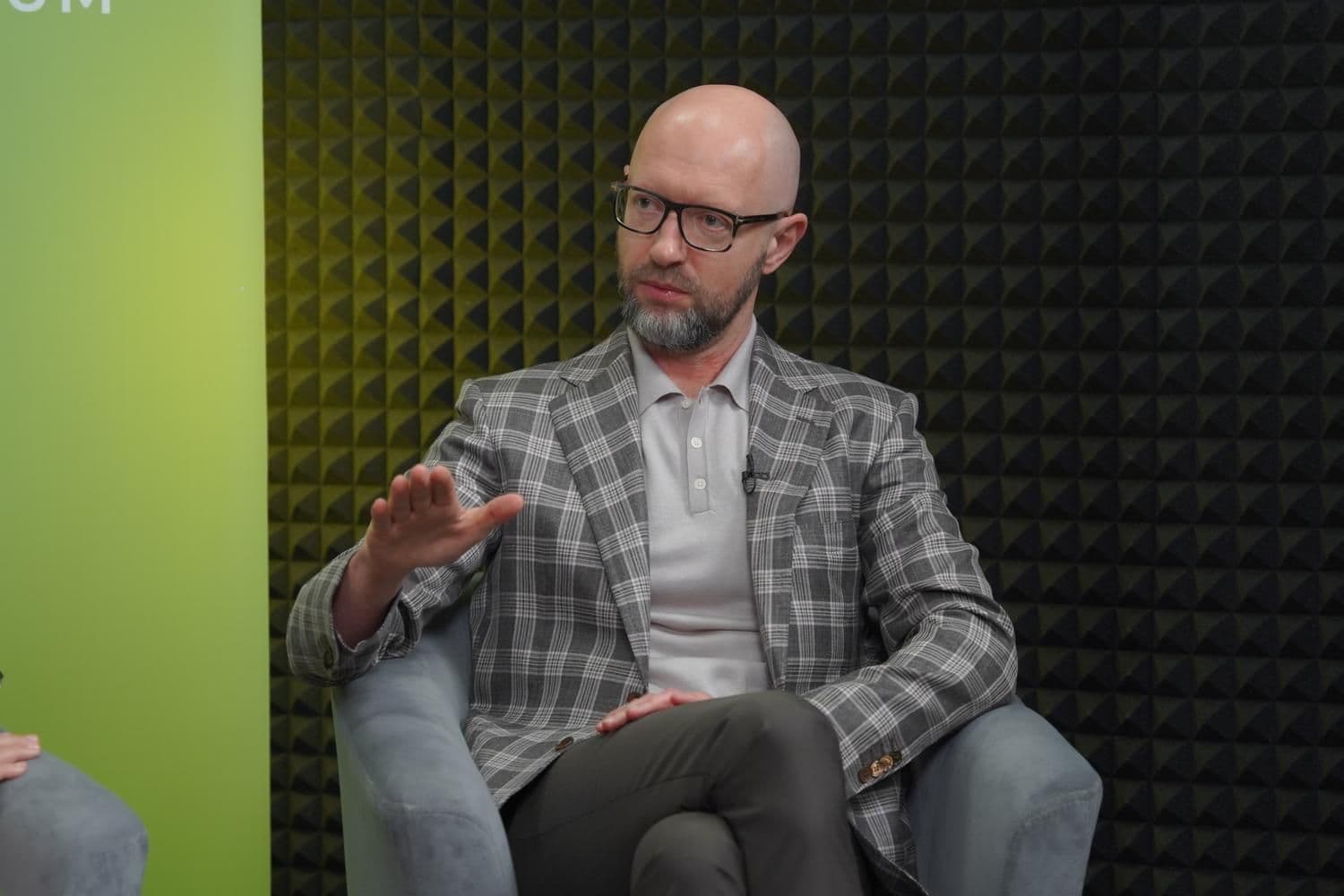
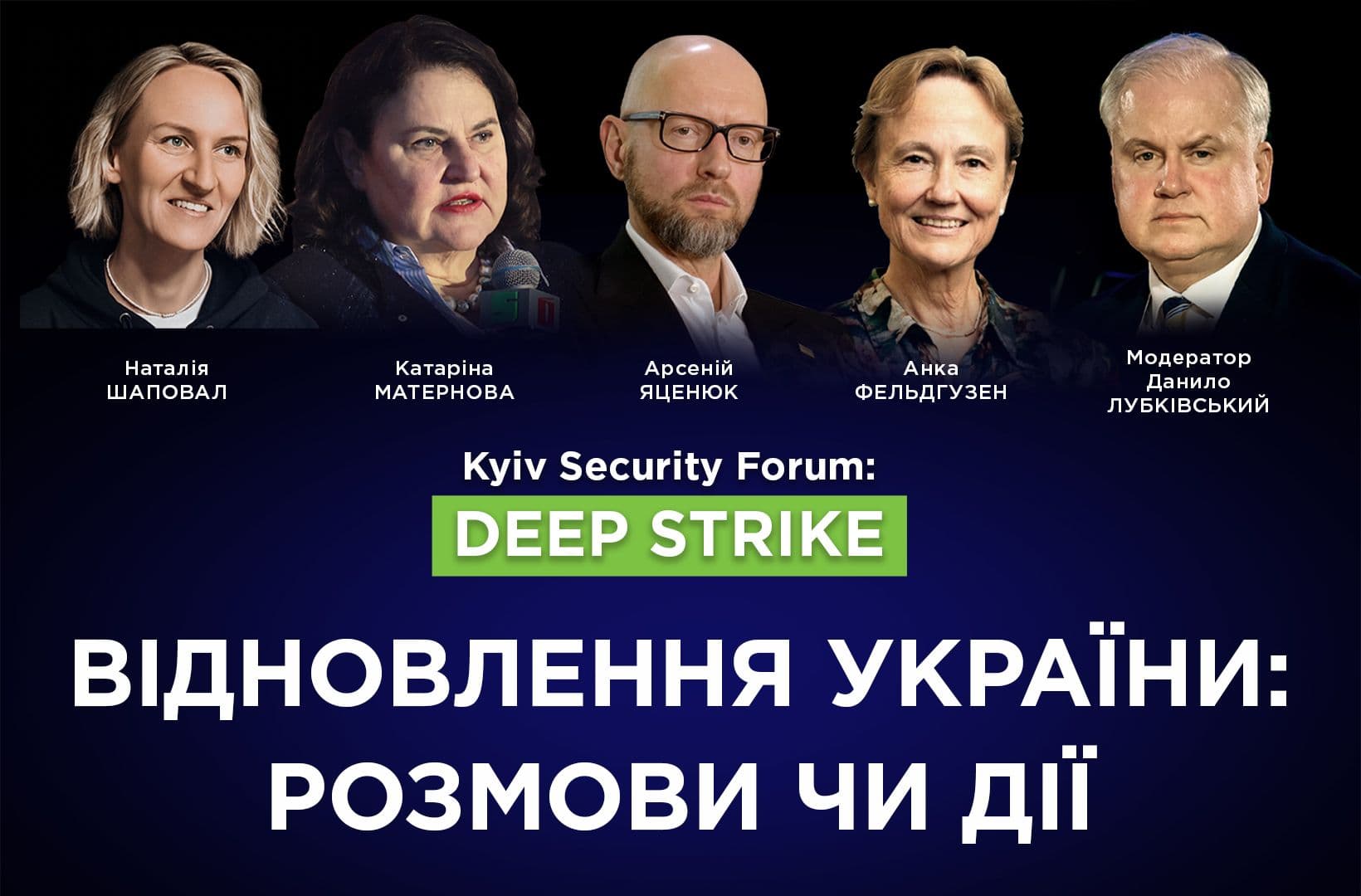
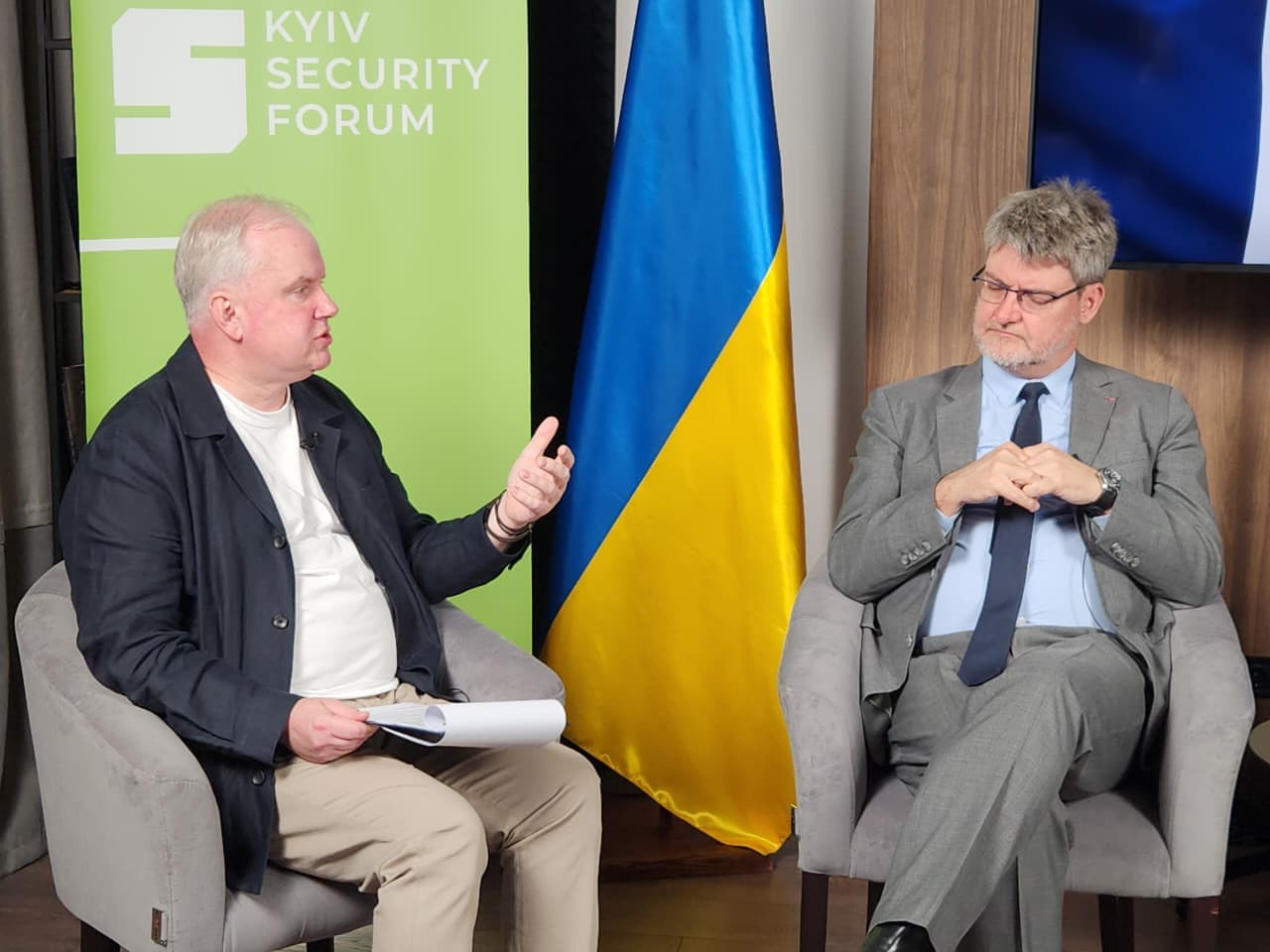
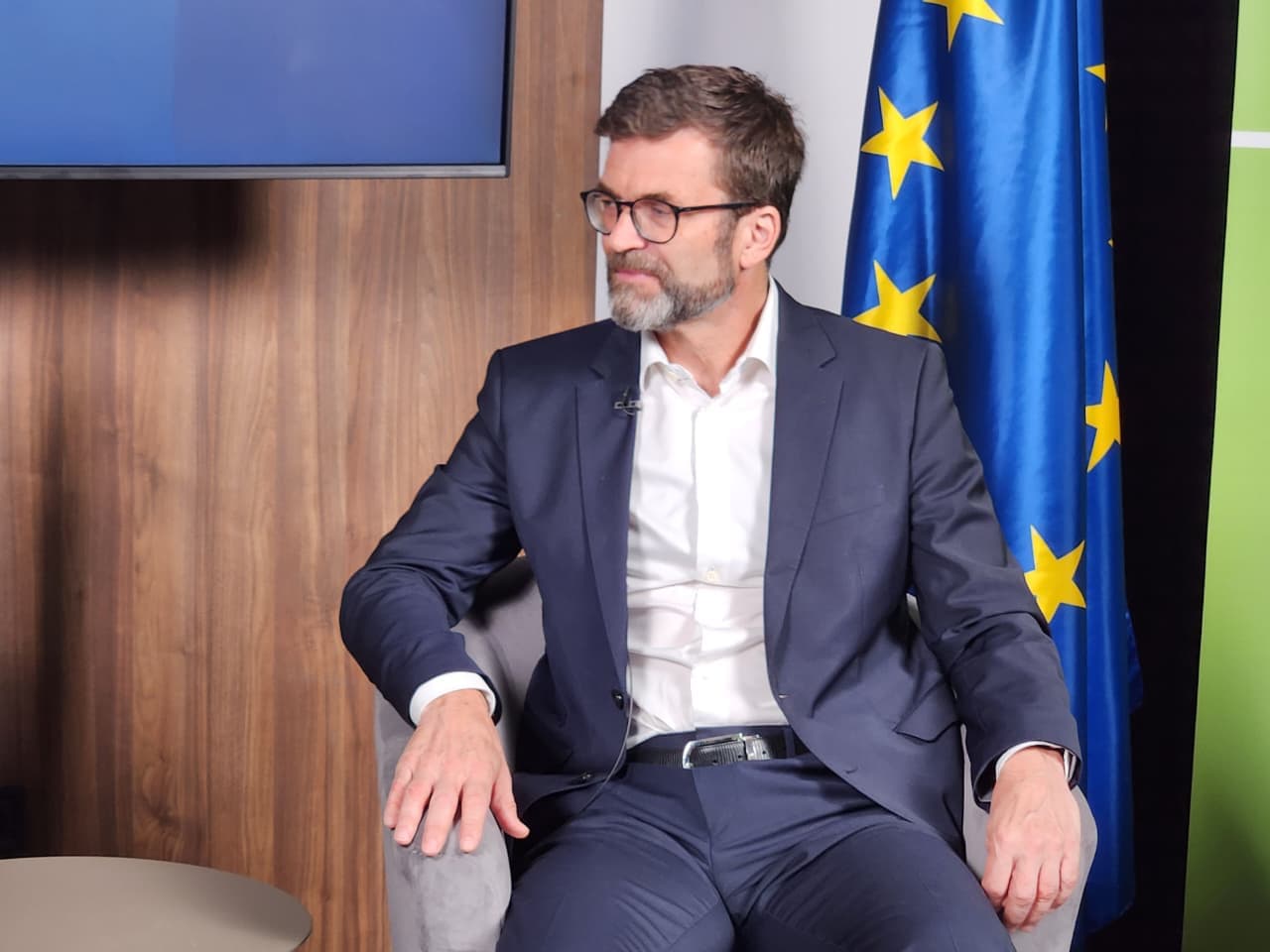
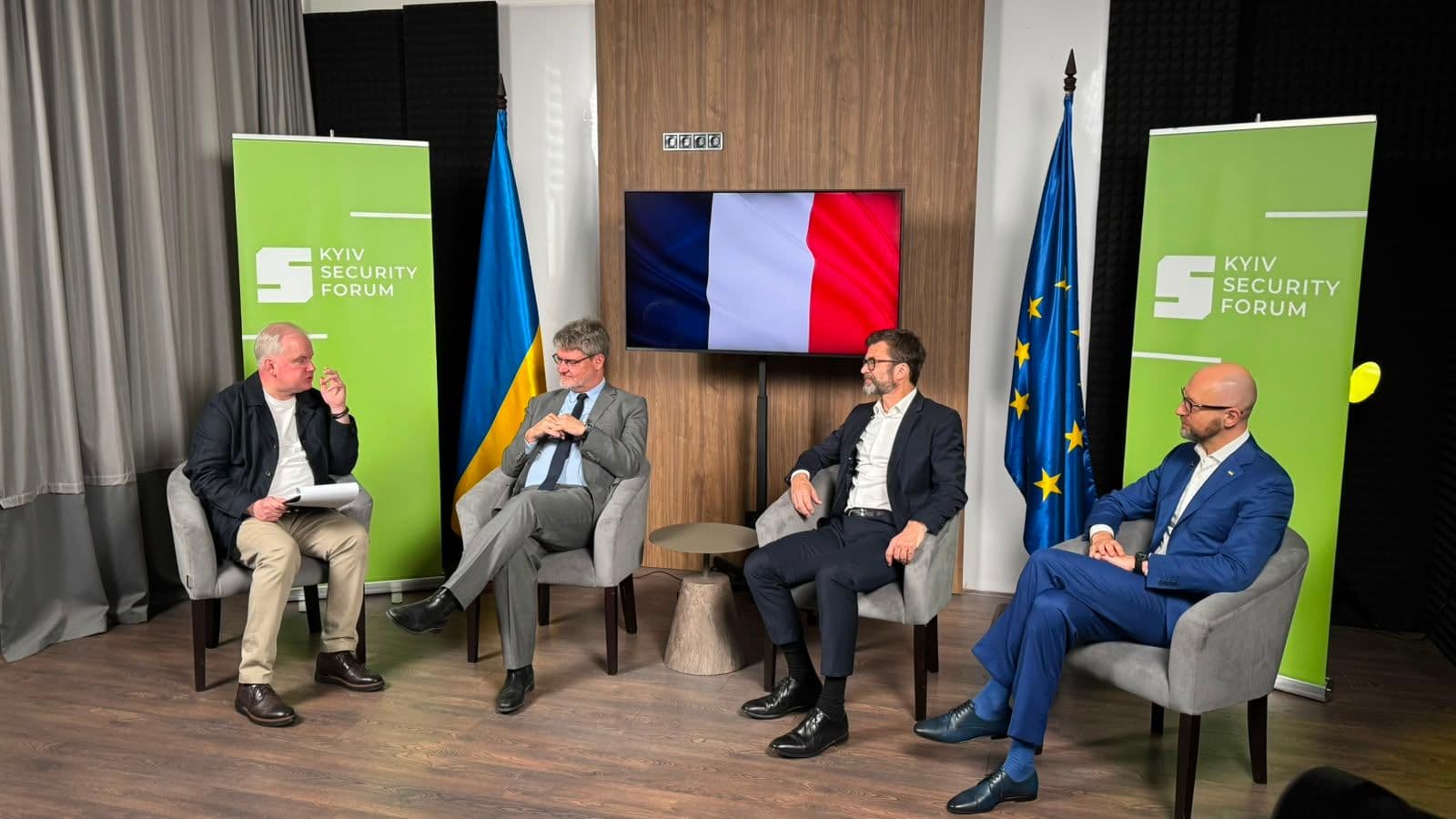
Russia has the greatest stake in the tensions between Poland and Ukraine, as a deepening of the conflict could jeopardise Ukraine’s EU membership, the business climate and Polish-Ukrainian relations. This was stated by Arseniy Yatsenyuk, Chairman of the Kyiv Security Forum and Prime Minister of Ukraine in 2014–2016, in response to questions from journalists during a special KSF event dedicated to the outcomes of the Ukraine Recovery Conference 2026 (URC), which took place in Gdańsk.
Speaking about the outcomes of the URC 2026, Yatsenyuk emphasised that the overall “outlook” of the conference was unequivocally positive. “The key point is the European Union’s decision to allocate 90 billion euros to Ukraine. These are very clear commitments. The first thing we ‘brought back’ from the conference is a portion of those 90 billion; the second is additional resources from the World Bank, the EBRD and other financial institutions,” he noted.
At the same time, the KSF Chairman cautioned against harbouring illusions about the predicted “investment boom”. “It will only come about once the war is over. If it weren’t for European – and previously American – funds, we would have nothing with which to pay salaries. Half of Ukraine’s state budget consists of donor or loan funds,” added Yatsenyuk.
Responding to a question about what practical steps Ukraine and Poland should take to resolve the conflict that arose on the eve of the URC, Yatsenyuk emphasised that there would be no quick solution, and drew attention to the domestic political context in Poland. “Look at the figures: after Polish President Karol Nawrocki took the absurd decision to strip the Ukrainian president of an order that he himself had not awarded, his approval rating rose by 6 per cent,” noted the former prime minister.
According to him, the conflict has two components that complicate the situation. “I have taken part in many reconciliation dialogues. The situation is only escalating rapidly, but a resolution will not come quickly. There are two components here: domestic politics, primarily in Poland, and foreign policy – after all, the European Union will side more closely with Poland than with Ukraine, for the simple reason that Poland is an EU member. That said, the EU will not indulge the radical views of even a member state,” emphasised the KSF Chairman.
He also warned that continued hostility could hit areas of key importance to Ukraine. “If this hatred spreads within Ukrainian and Polish societies – which is precisely what the radicals are striving for – it will affect the business climate, our bilateral relations, and Ukraine’s membership of the European Union. The Poles may apply the formula put forward by Jarosław Kaczyński [leader of the Polish opposition party ‘Law and Justice’] – that Ukraine’s EU membership must be blocked,” he noted.
The KSF Chairman emphasised that Russia has an interest in the rift between Kyiv and Warsaw. ‘This is very slippery ground. The primary interest in seeing us slip up on this ground lies with one capital and one man: Moscow and that monster Putin,’ Yatsenyuk concluded.
 Ukraine, Kyiv, 01001