




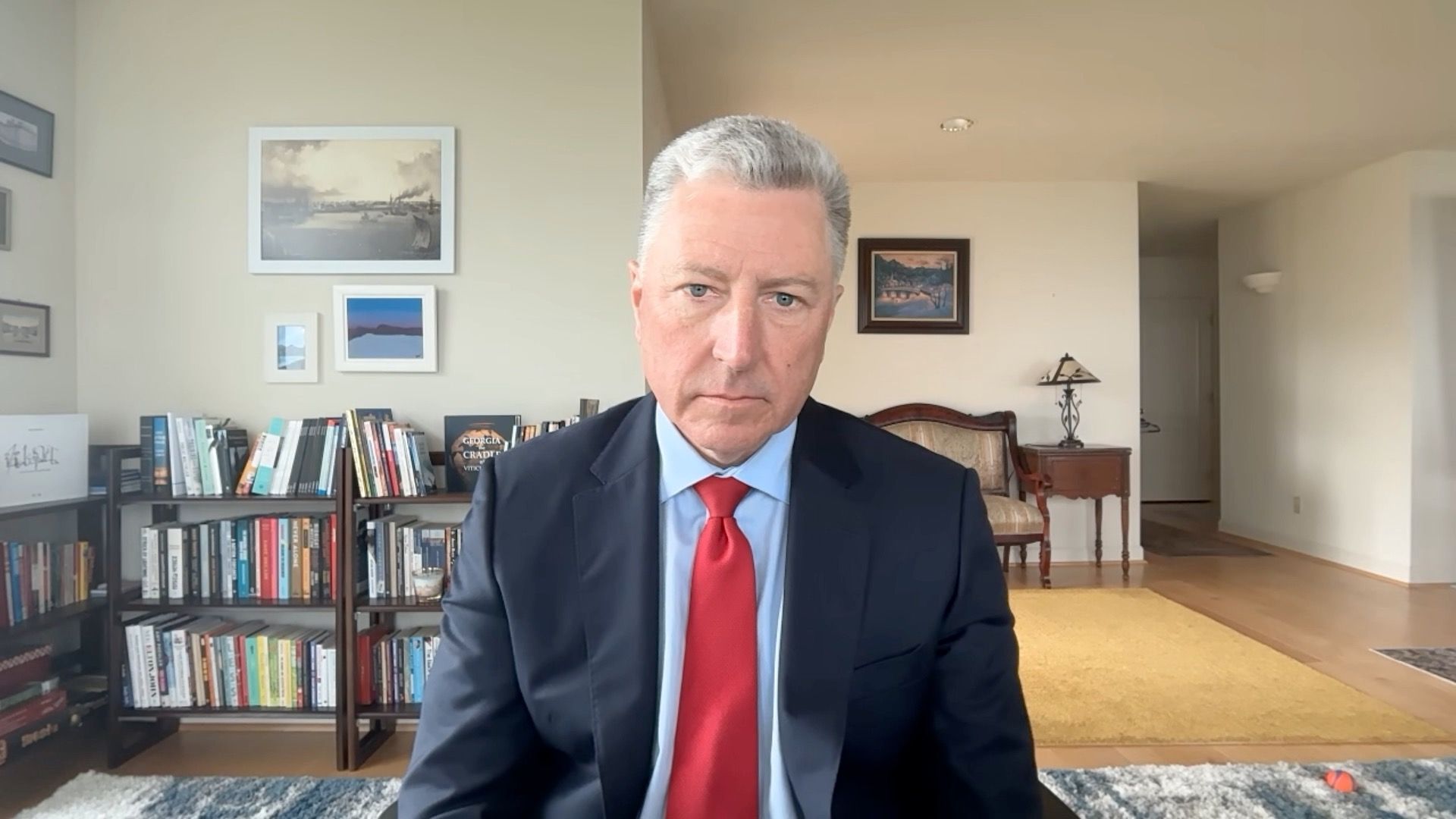
Despite the Kremlin’s unchanging rhetoric, Russia sees that NATO is becoming increasingly united, and Ukraine is succeeding in bringing the war onto Russian territory. This was stated by Kurt Volker, a member of the Security Council of the Kyiv Security Forum and U.S. Special Representative for Ukraine Negotiations from 2017 to 2019, during a special KSF discussion titled “NATO Summit in Ankara: Decisions, Challenges, and the Way Forward.”
“We always have to differentiate between what the Russians say and why they say it. They say they are monitoring the summit, and they are not giving any ground. Meanwhile, Putin says he is ready for peace, but in reality, that is not the case. We shouldn’t take everything at face value,” noted the former U.S. Special Representative.
Volker emphasized that the reality on the ground is not in Russia’s favour. “Russians see that NATO is more unified than they would like to see, and Ukraine is succeeding in extending the war into Russian territory with drones. Russians are seeing drones in the skies. They are seeing huge lines for gasoline. They are seeing their oil refining capacity be taken out in Omsk, of all places, a thousand kilometers from the Ukrainian border. They are seeing that they cannot really get their logistical supplies to Crimea anymore, the way that they would need to sustain forces there,” the diplomat emphasized.
At the same time, he noted that Putin continues to bluff, relying on his missile advantage. But the authorization to produce Patriot missiles in Ukraine – even though the launch process takes time – will strip him of that advantage in the long run.
“Ukraine shoots down drones, but not always missiles, especially ballistic ones. This causes significant damage but will not have a strategic impact. Ukraine will not be able to produce Patriot missiles this month or next. But this [production decision] will clearly show Putin that all his red lines have already been crossed, things will only get worse from here, and he must agree to negotiations,” Volker said.
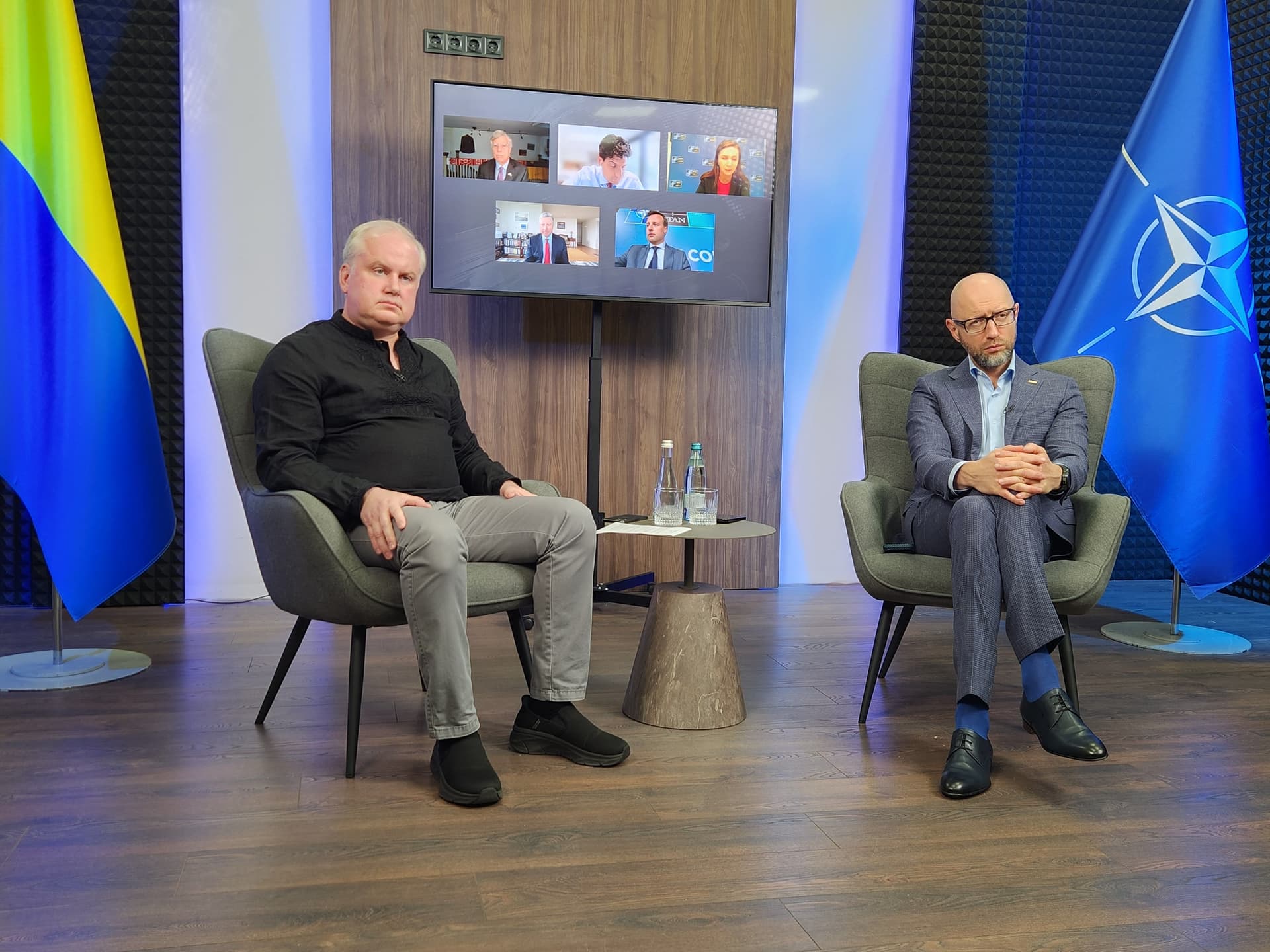
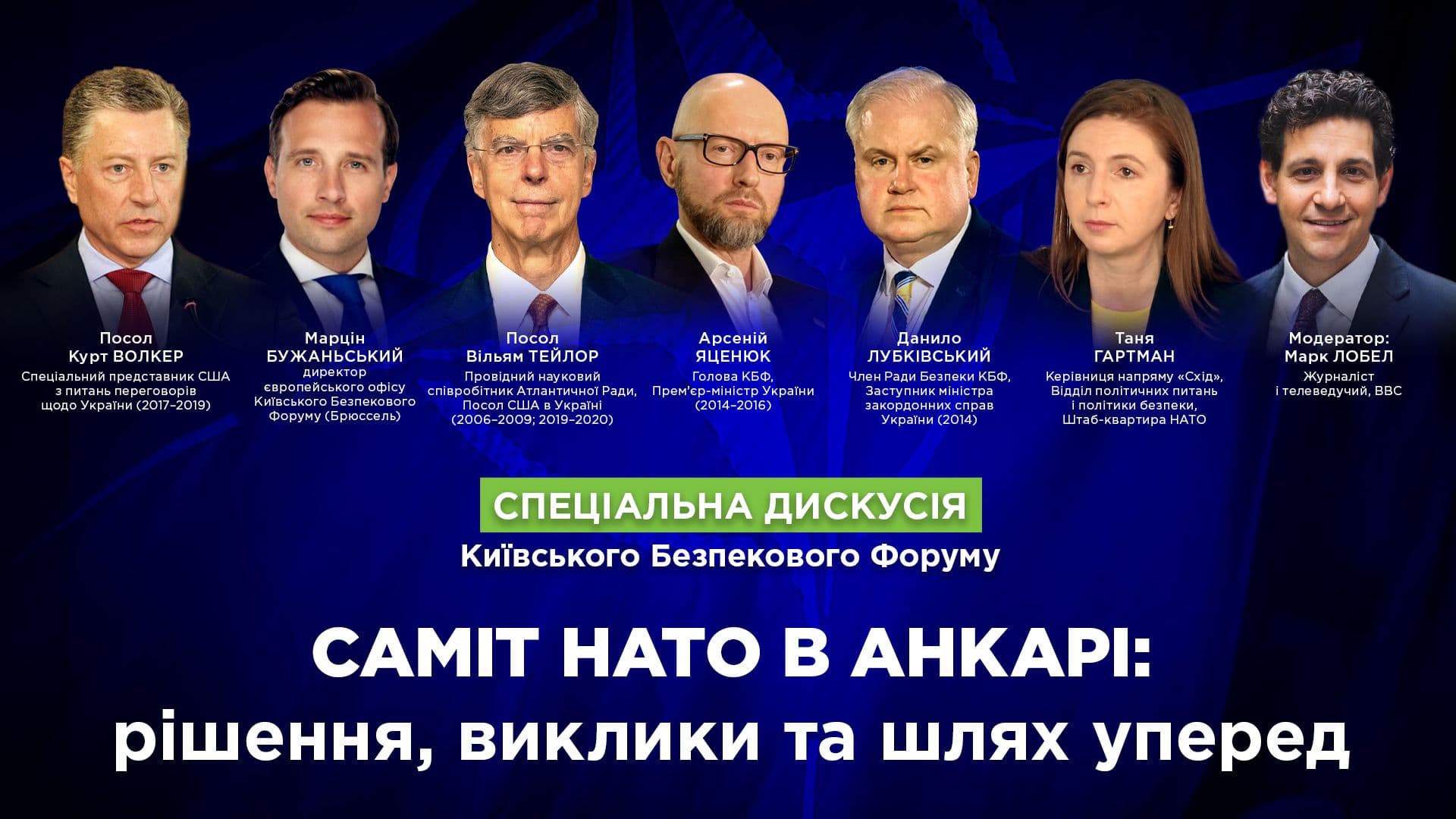
The discussion took place in the Ukrainian capital as part of the new project ‘Kyiv Security Forum: Deep Strike’ – a series of expert discussions on pressing issues and key trends in Ukraine’s security, economy and foreign policy.
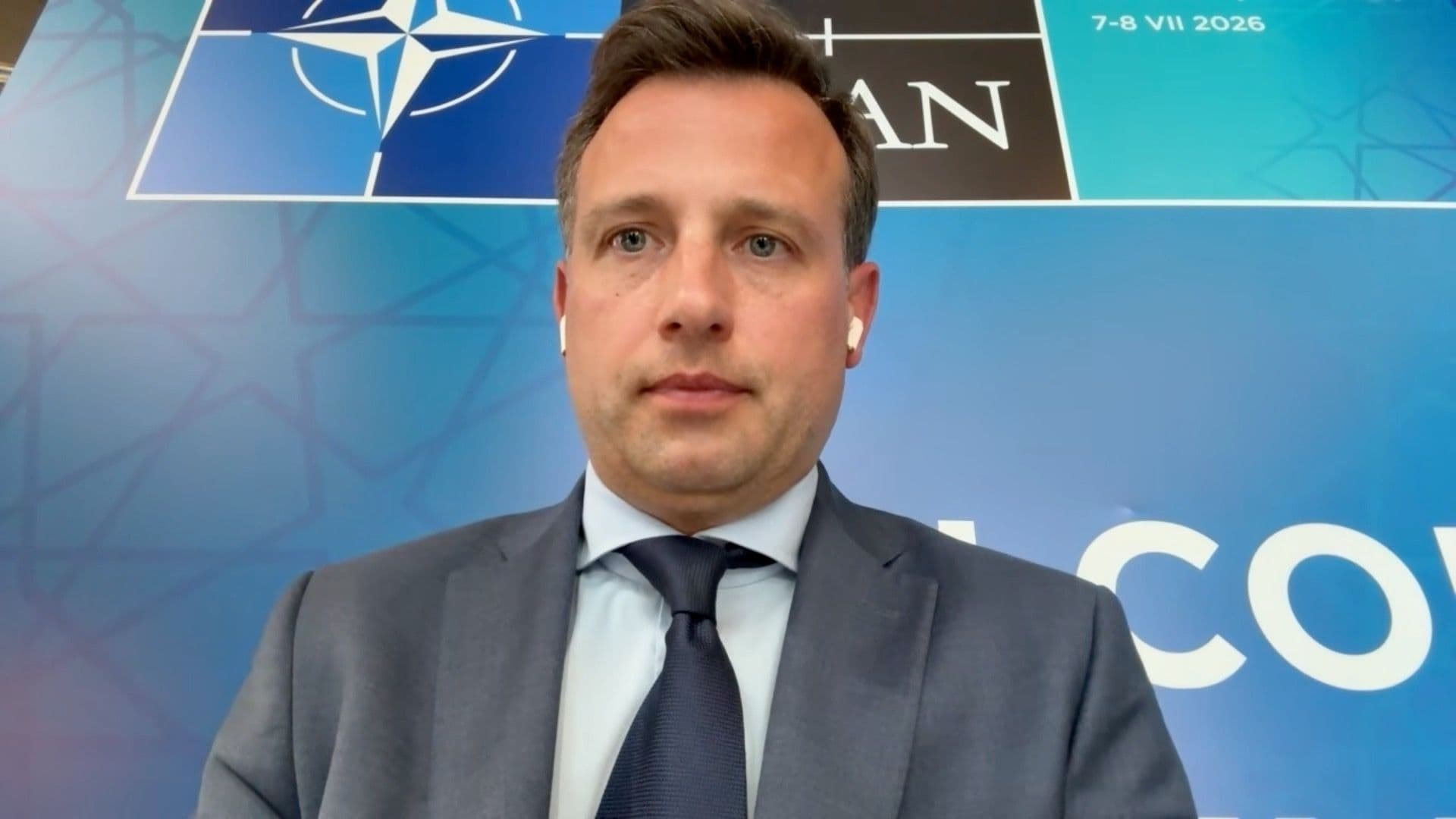
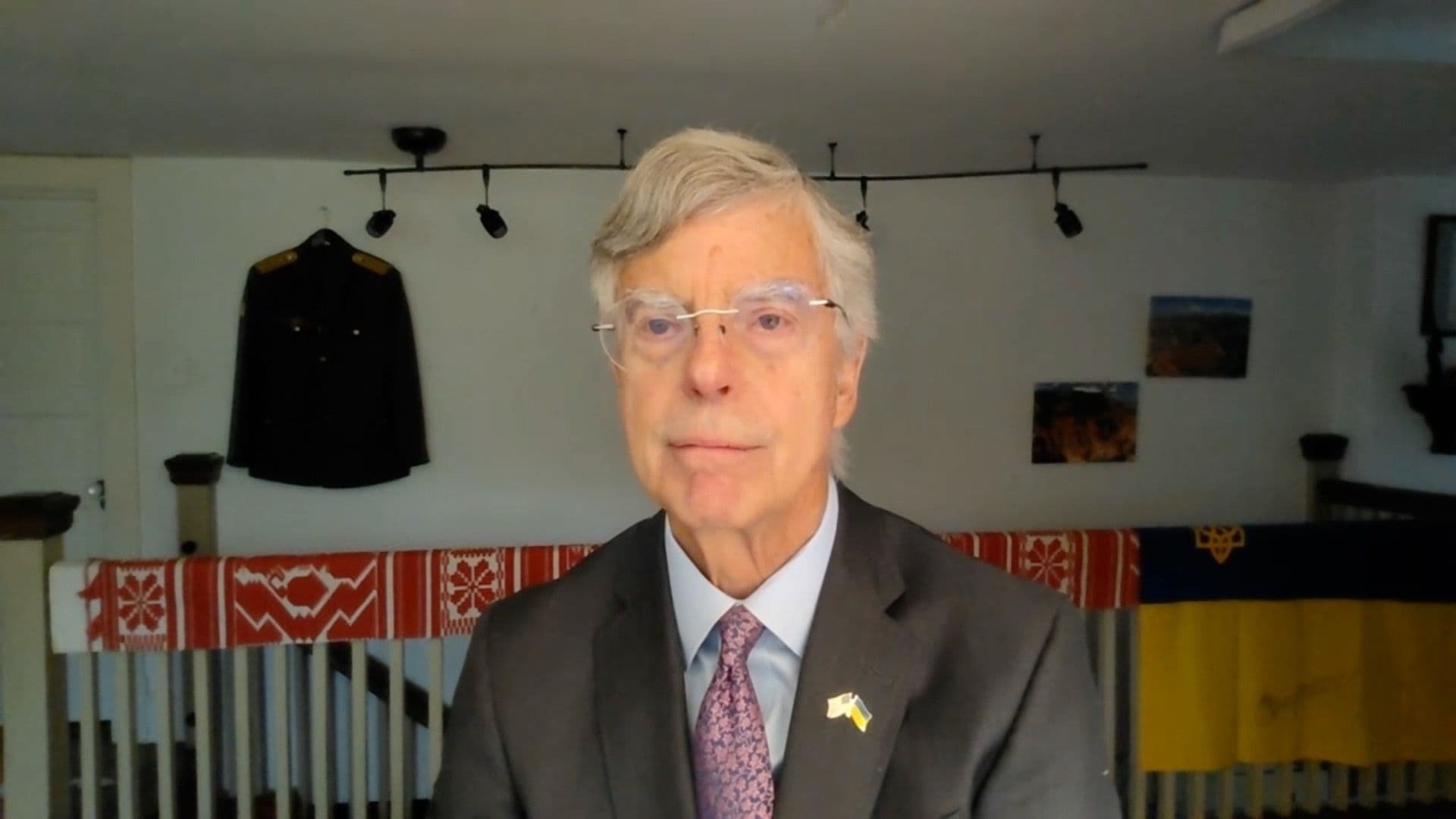
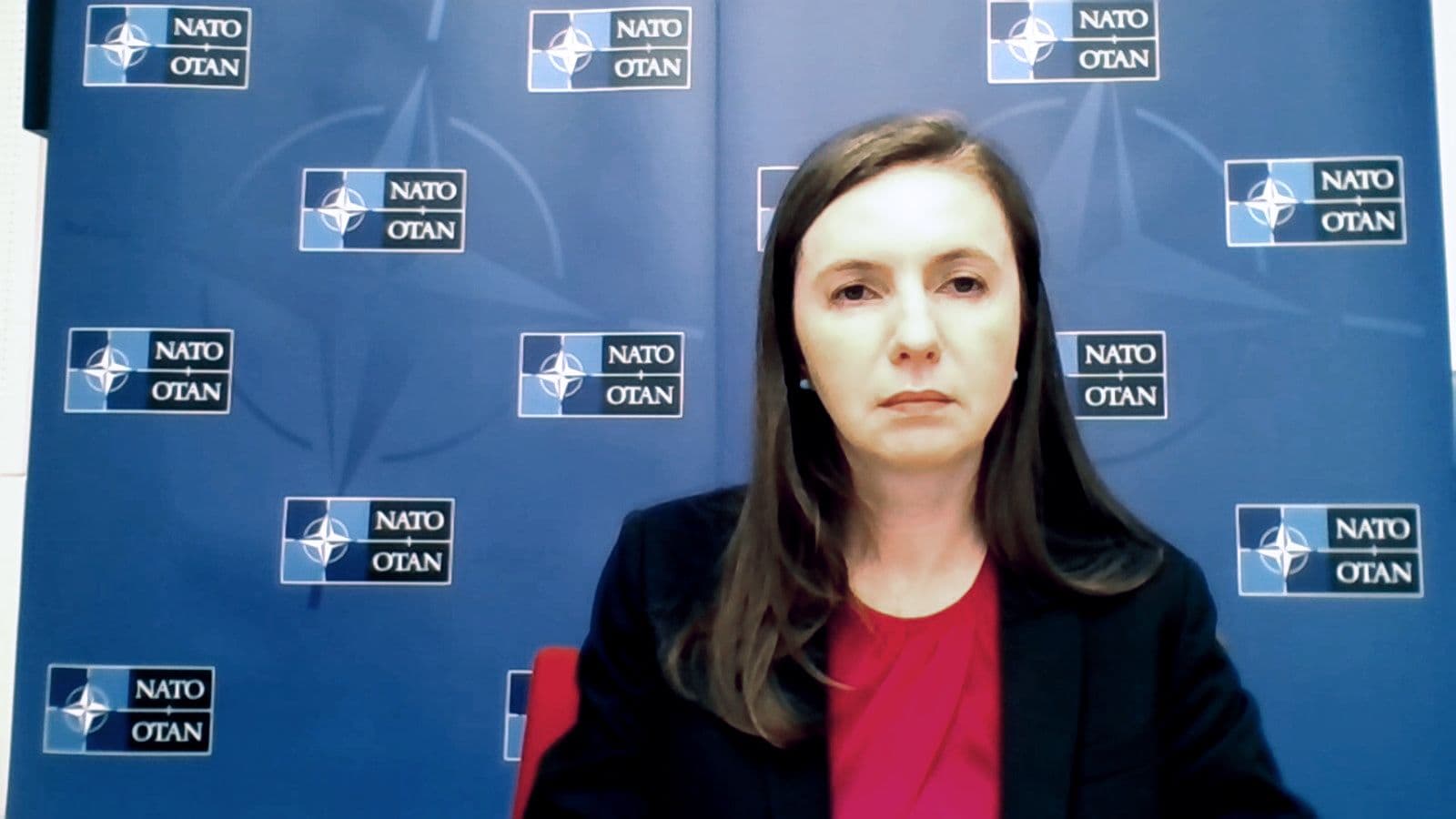
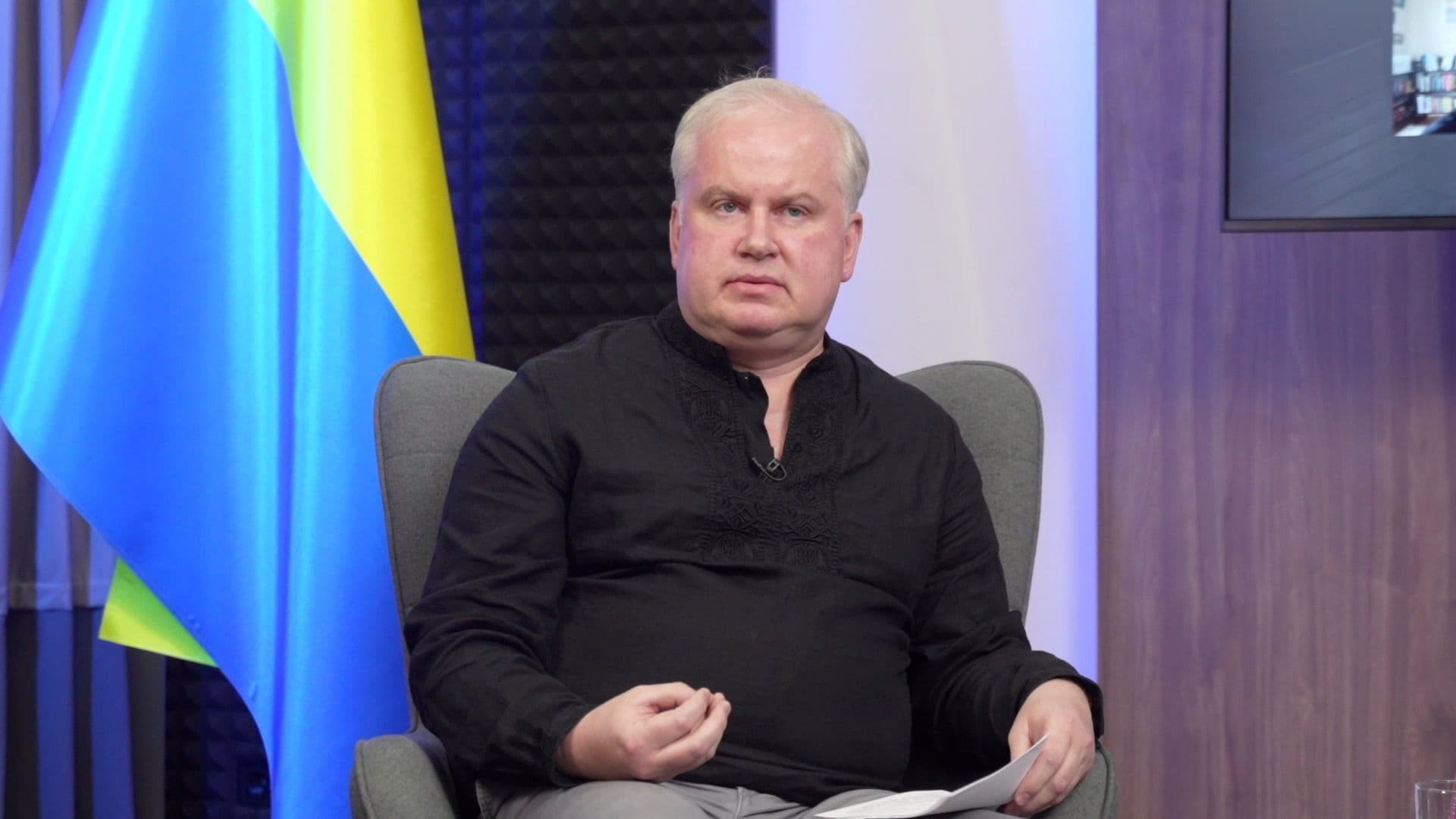
Participants in the discussion included Arseniy Yatsenyuk, Chairman of the Kyiv Security Forum, Prime Minister of Ukraine (2014–2016); and Danylo Lubkivsky, Deputy Foreign Minister of Ukraine (2014), Member of the Security Council, Kyiv Security Forum. Joining online were Tanya Hartman, Head, Policy East Team, Political Affairs and Security Policy Division, NATO HQ; Ambassador William Taylor, Distinguished Fellow, Atlantic Council, U.S. Ambassador to Ukraine (2006–2009; 2019–2020); Ambassador Kurt Volker, US Special Representative for Ukraine Negotiations (2017–2019); Marcin Buzanski, Director of the European Office of the Kyiv Security Forum (Brussels). The discussion was moderated by Mark Lobel, a BBC journalist and BBC presenter.
A video recording of the discussion is available in Ukrainian here and in English here.
The Kyiv Security Forum (KSF), founded by the Arseniy Yatsenyuk Open Ukraine Foundation, is Ukraine’s leading international discussion platform on issues of war and peace. Prominent international leaders, politicians, diplomats, experts, activists, and journalists participate in KSF events. The platform operates on several levels simultaneously: keeping Ukraine in the spotlight of the global agenda; expanding our country’s circle of international partners; and building expertise on current security issues.
 Ukraine, Kyiv, 01001