





Decisions on the purchase of critical energy equipment and its financing must be made no later than May 2026 – otherwise, the Ukrainian energy sector will not be ready for next winter, and millions of Ukrainians may once again be left without electricity and heating.
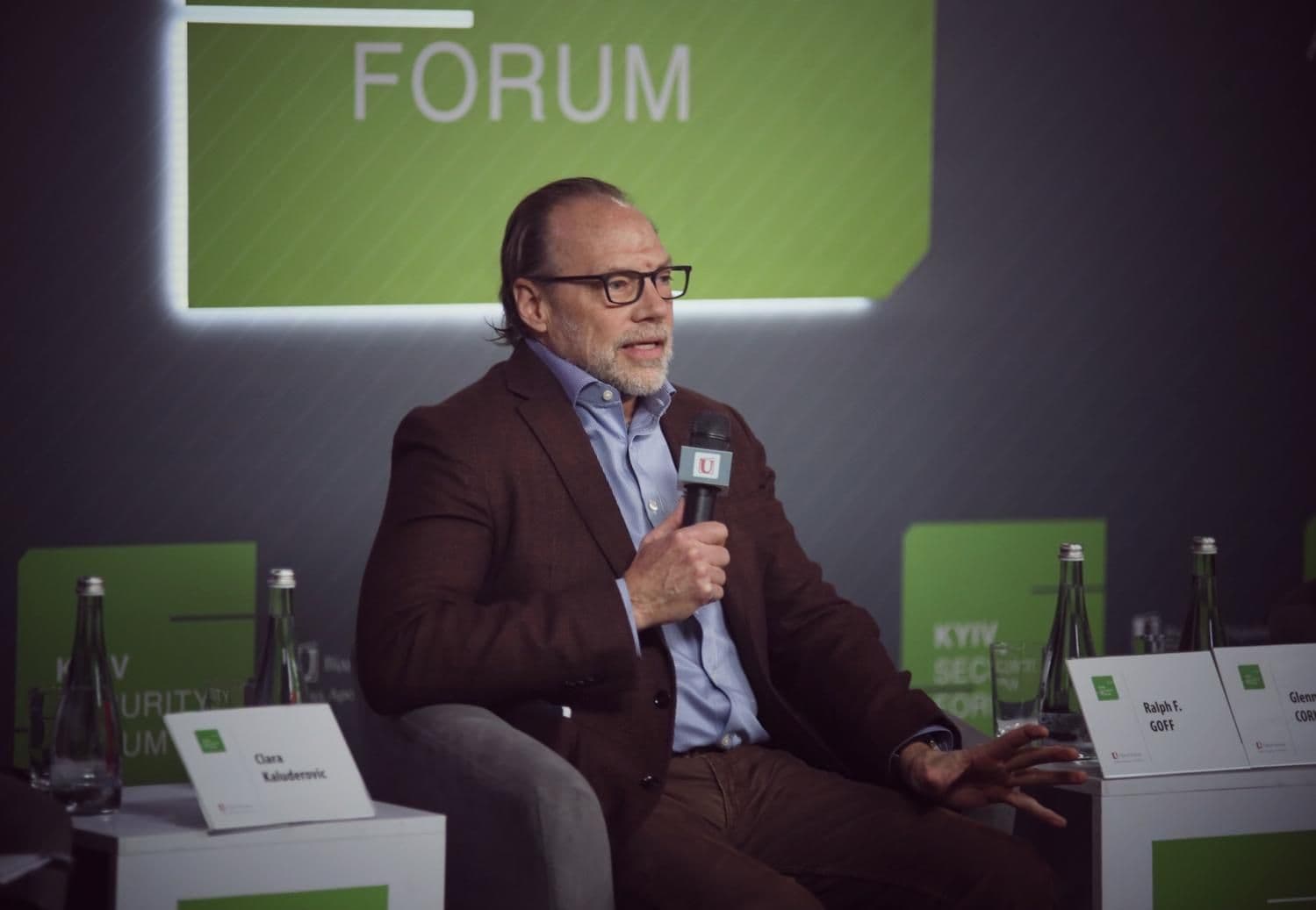
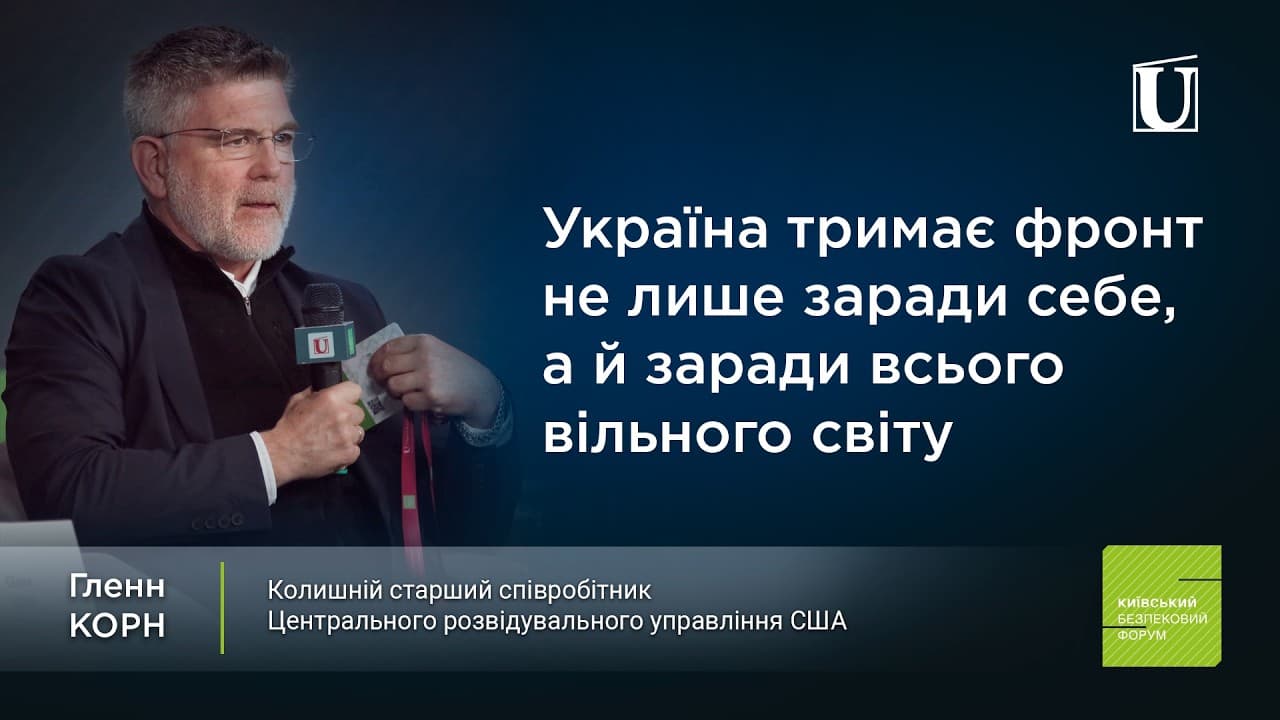
This is stated in an appeal to the heads of government of the G7 and the European Union, published following the round table of the Kyiv Security Forum in conjunction with the Munich Security Conference – ‘Energy Warfare: How to Unplug Tyranny’, which took place on 14 February.
"The year 2026 marks a decisive phase in Russia’s war against Ukraine. The coming winter will test not only Ukraine’s endurance but also the collective ability of democratic nations to protect civilians from the weaponisation of energy. Preparation for the winter of 2026-2027 must begin immediately," the appeal emphasised.
Among the signatories of the document are:
Arseniy Yatsenyuk, Chairman of the KSF, Prime Minister of Ukraine in 2014–2016;
Maxim Timchenko, CEO of DTEK Group;
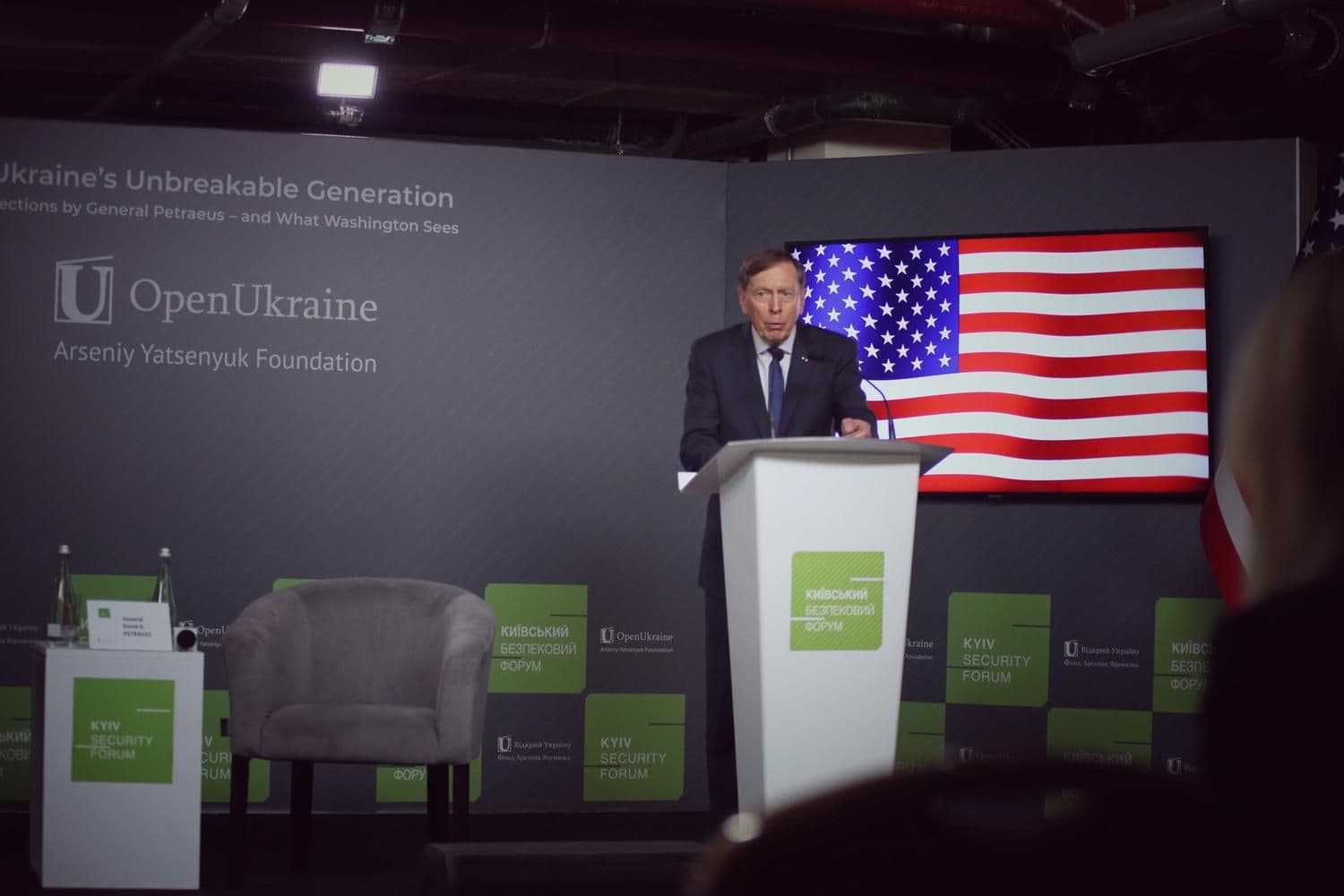
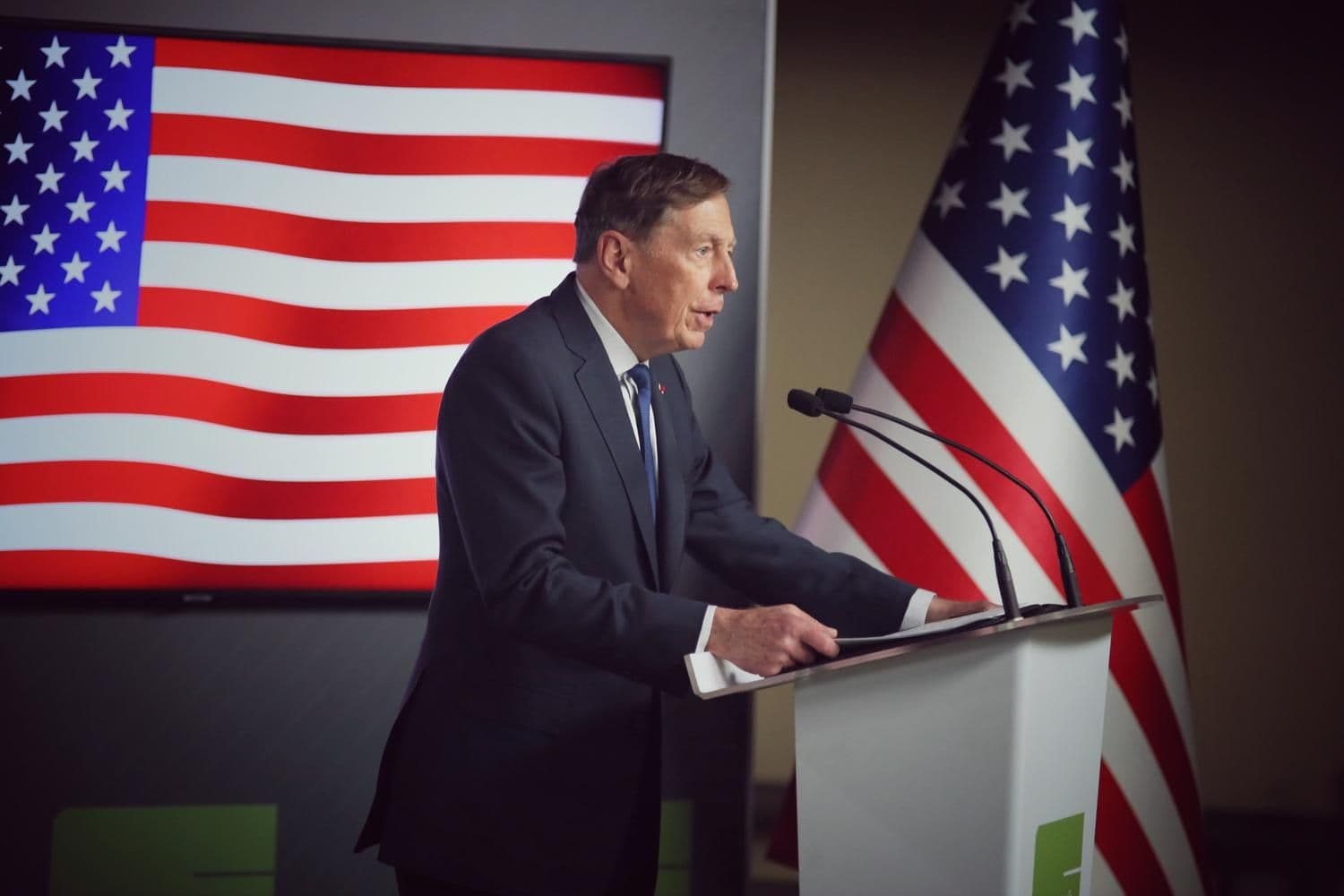
General David H. Petraeus, Member of the KSF Security Council, Former Director of CIA (USA);
Marko Mihkelson, Chairman of the Foreign Affairs Committee of the Parliament of Estonia;
Andriy Kobolev, Founder of Eney company, Former Chairman of the Board of Naftogaz of Ukraine;
Yehor Cherniev, Deputy Chairman of theNational Security and Defence Committee of the Verkhovna Rada of Ukraine, Head of the Ukrainian Delegation to the NATO Parliamentary Assembly;
Petras Auštrevičius, Member of the European Parliament (Lithuania);
Steven Pifer, US Ambassador to Ukraine (1998–2000);
Nathalie Tocci, Director of Istituto Affari Internazionali (Italy), Professor of Practice at Johns Hopkins University (USA);
Nicolas Tenzer, Senior Researcher at the Centre for European Policy Analysis (CEPA), writer and security analyst, blogger at Tenzer Strategics (France).
Participants note the scale of the energy crisis caused by Russia's massive attacks on energy infrastructure: about 40% of Ukrainians have very poor heating or no heating at all, 74% face very unstable electricity supply or no electricity at all, and in some regions, power cuts last up to 20 hours a day.
Ukraine has lost a significant part of its electricity generation capacity, with a deficit of 3-5 GW, and the system is only able to cover about 40% of the needs of households and businesses.
‘This is a deliberate war of attrition directed against an entire society,’ the appeal states.
Based on consultations with Ukrainian energy operators, international financial institutions and security experts, the KSF has formulated operational priorities.
The KSF proposes to create an ‘Energy Ramstein’ – a coordination mechanism with an international working group that will synchronise equipment procurement, financing, infrastructure protection and implementation deadlines.
The first priority is the immediate purchase and accelerated delivery of critical equipment. ‘Ukraine’s energy recovery is constrained not only by financing but by production lead times, manufacturing capacity, and logistics. Many critical components require 10–24 months from financing approval to delivery and installation; therefore, procurement decisions must be taken immediately,’ the document states.
The second priority is rapid, results-oriented targeted financing. The KSF recommends the creation of an accelerated EU-G7 energy sustainability programme, the use of mixed financial instruments and the expansion of military risk insurance mechanisms.
The third priority is comprehensive protection and strengthening of critical energy infrastructure. "Restoration investments cannot be sustained if newly repaired facilities are destroyed again [...] Air defence is indispensable but cannot substitute for structural resilience. Protection measures must therefore be implemented simultaneously with decentralisation and diversification of generation," the appeal emphasises.
The fourth priority is the accelerated introduction of distributed electricity generation and decentralisation of the heating system.
"In Kyiv alone, approximately 6,000–7,000 residential buildings remain vulnerable due to heating-system disruption; conversion of roughly 5,000 legacy buildings to autonomous heating solutions is estimated at approximately €1.5 billion, offering durable resilience at a cost lower than many alternative emergency-response measures," the appeal notes.
The roundtable participants warn that if decisions are not made in time, the consequences will be irreversible. Due to the lengthy 10-24 month production and installation cycles, critical equipment will not be ready for operation by winter, leaving millions of civilians without electricity and heating for an extended period of time.
Instead, the appeal emphasised, ‘timely action will reduce the effectiveness of Russia’s energy-terror strategy, protect civilian populations, and strengthen the resilience of the democratic security order.’
The full text of the appeal is available via the link.
On 14 February, as part of the 62nd Munich Security Conference (MSC), the first joint event of the Kyiv Security Forum and the MSC took place – a round table discussion entitled ‘Energy Warfare: How to Unplug Tyranny.’
The Kyiv Security Forum was founded in 2007 on the initiative of Arseniy Yatsenyuk. The Munich Security Conference is one of the most influential international forums for discussing global security issues.

 Ukraine, Kyiv, 01001